
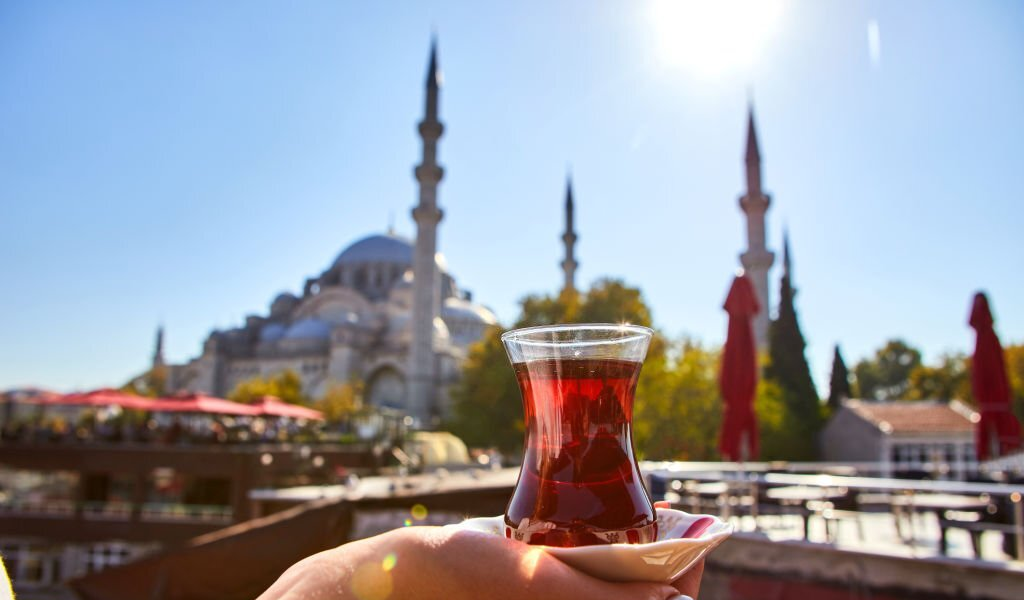
Food in Turkey is not just something you eat. It is something you share, talk about, and remember long after the trip ends. Every meal carries history, regional identity, and a strong sense of hospitality. From simple street snacks to slow-cooked traditional dishes, Turkish cuisine reflects the country’s geography, culture, and way of life.
This guide explores the must-try foods that define Turkey and why they matter.
Turkish Breakfast: A Meal That Sets the Tone
Breakfast in Turkey is an experience, not a quick stop. A traditional Turkish breakfast includes fresh bread, olives, tomatoes, cucumbers, cheeses, eggs, honey, jam, and butter, all served with endless glasses of tea.
Menemen, a warm dish made with eggs, tomatoes, peppers, and olive oil, is a favorite across the country. Breakfast tables are meant to be shared and enjoyed slowly, often turning into long conversations.
Kebabs Beyond the Stereotype
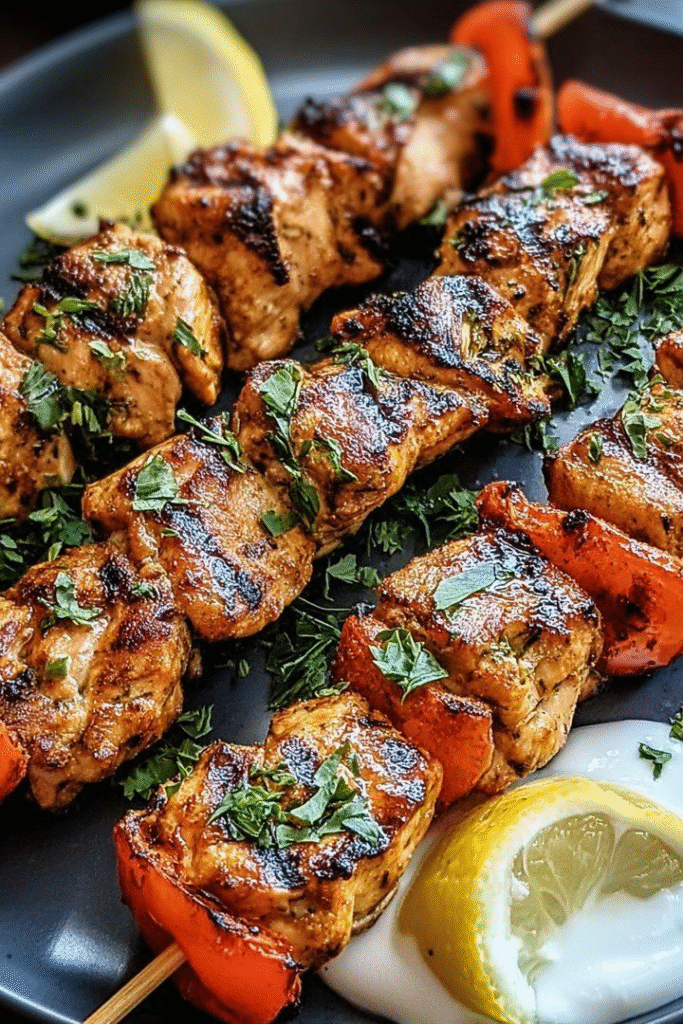
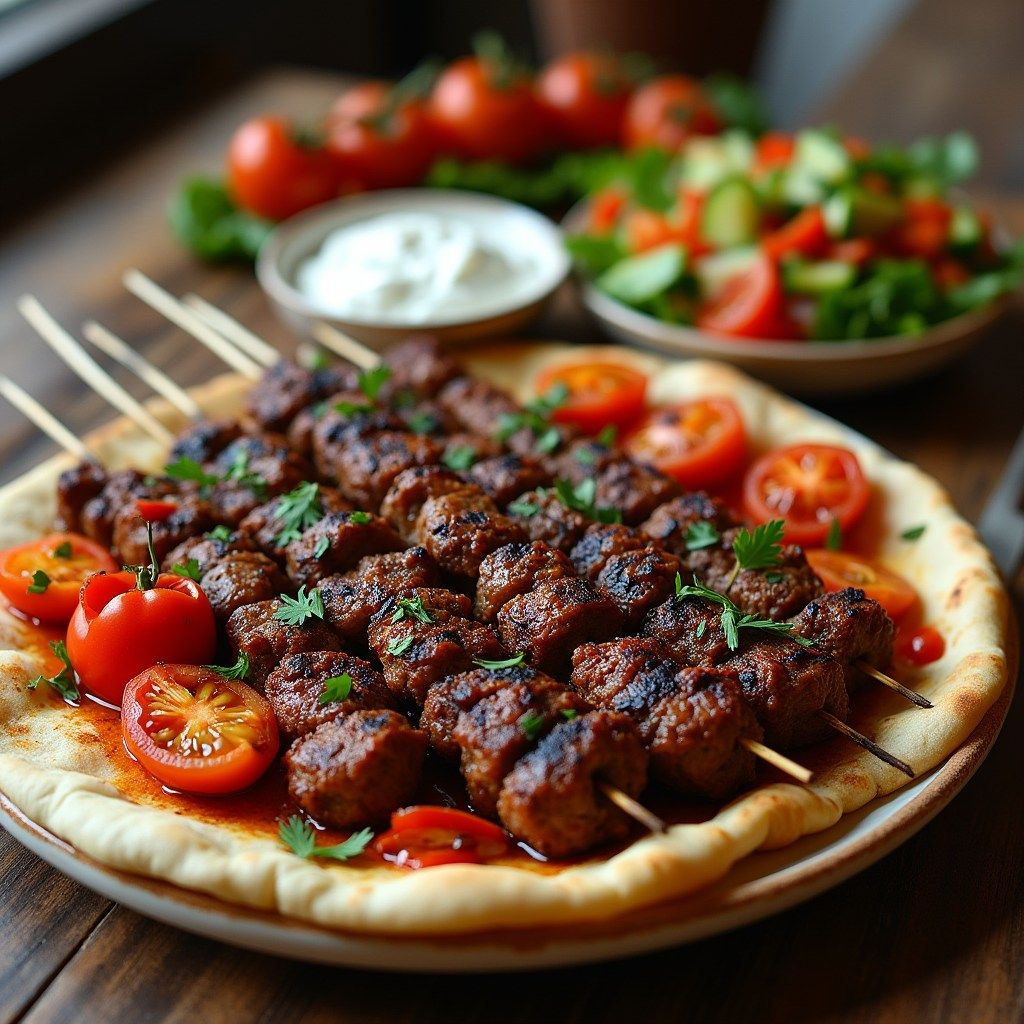
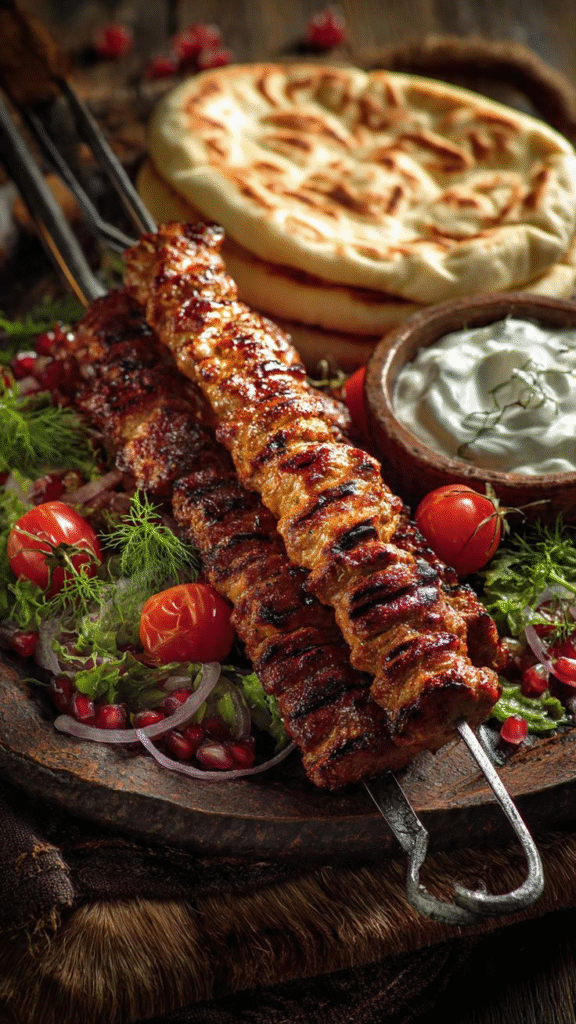
Kebabs are often misunderstood as just grilled meat on a skewer. In Turkey, kebabs are a broad category with countless regional variations.
Adana kebab is spicy and bold, while Urfa kebab is milder and rich in flavor. Iskender kebab, served with yogurt, tomato sauce, and butter over bread, is a comforting classic. Each region prepares kebabs differently, using local spices, cooking techniques, and traditions.
Meze: Small Plates with Big Flavor
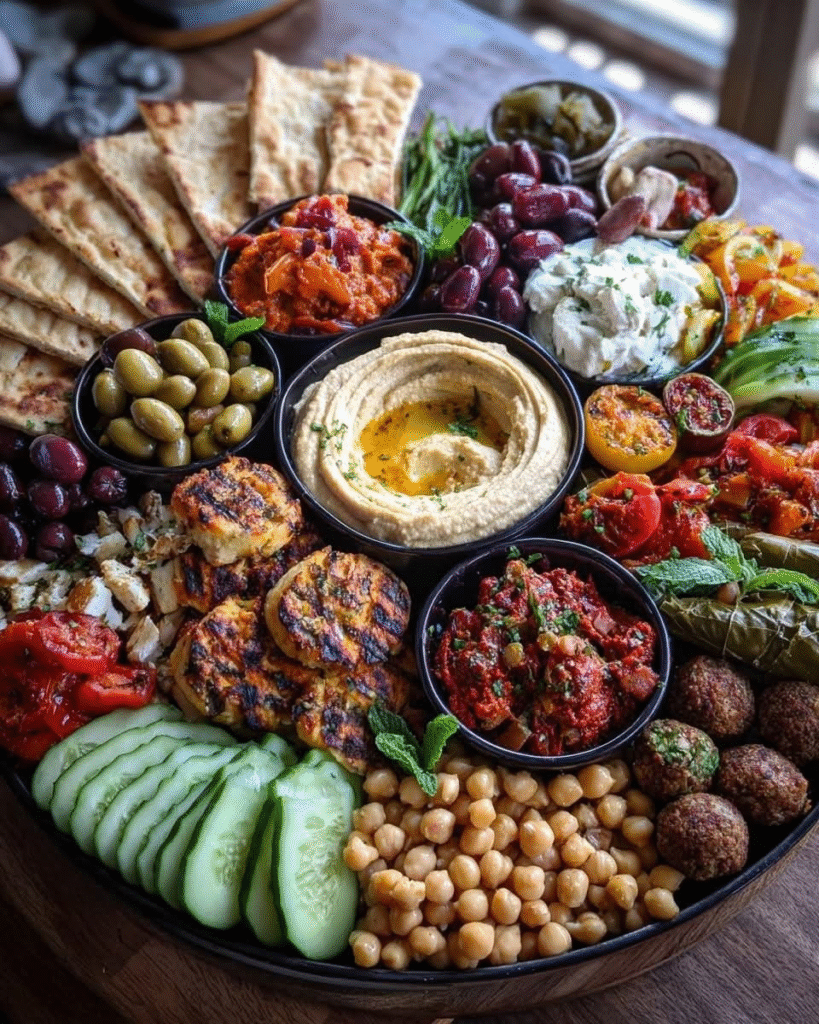
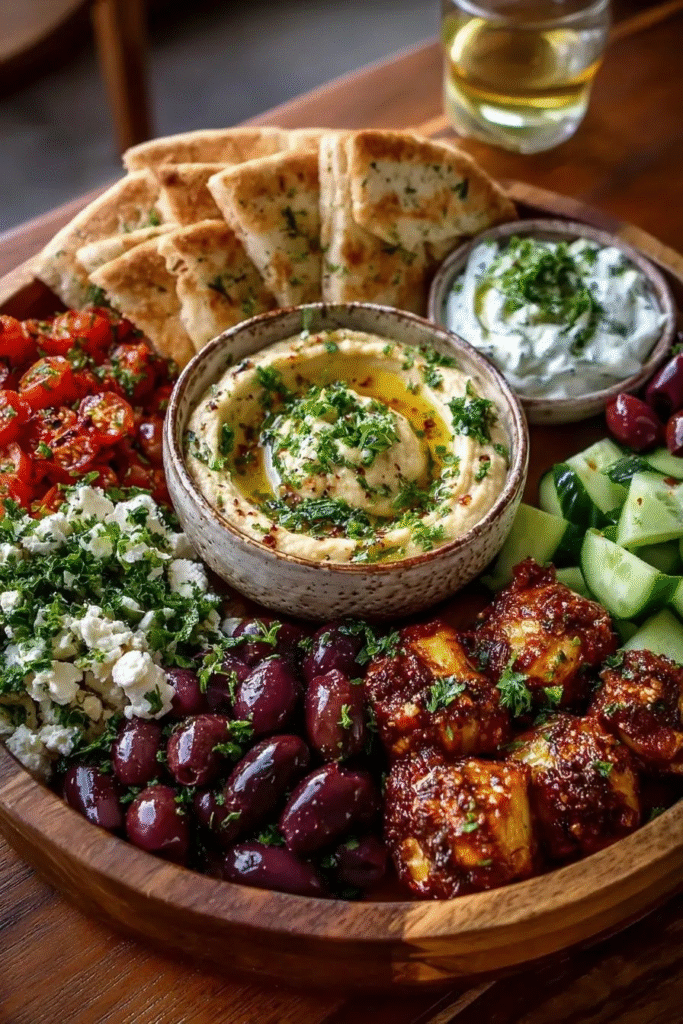
Meze are small dishes served before or alongside a meal, especially when sharing food with others. They often include dishes made from vegetables, yogurt, olive oil, herbs, and seafood.
Popular meze include hummus, stuffed grape leaves, eggplant salads, and yogurt-based dips. Meze culture encourages conversation, slow eating, and togetherness, making meals feel social rather than rushed.
Street Food You Cannot Ignore
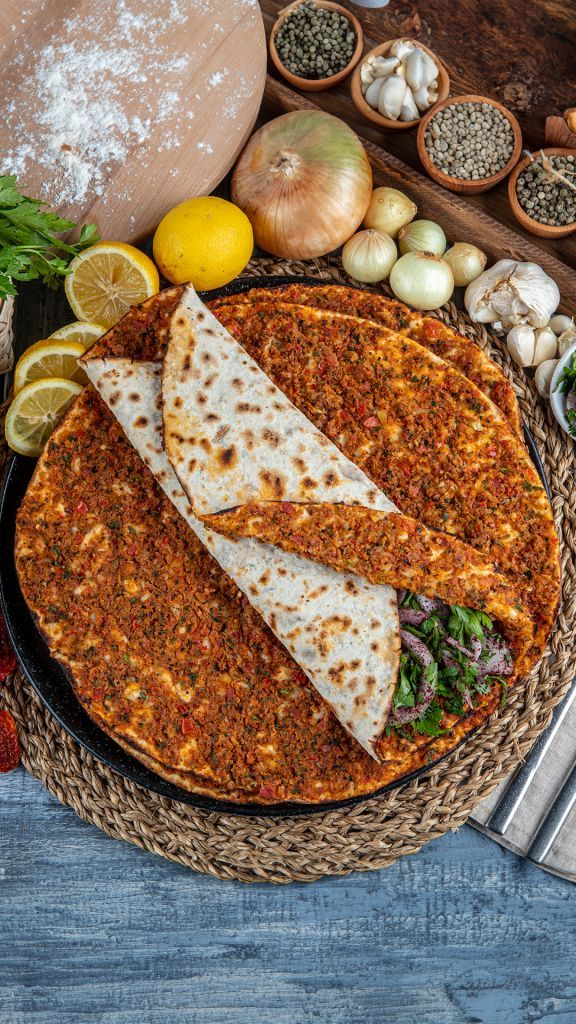
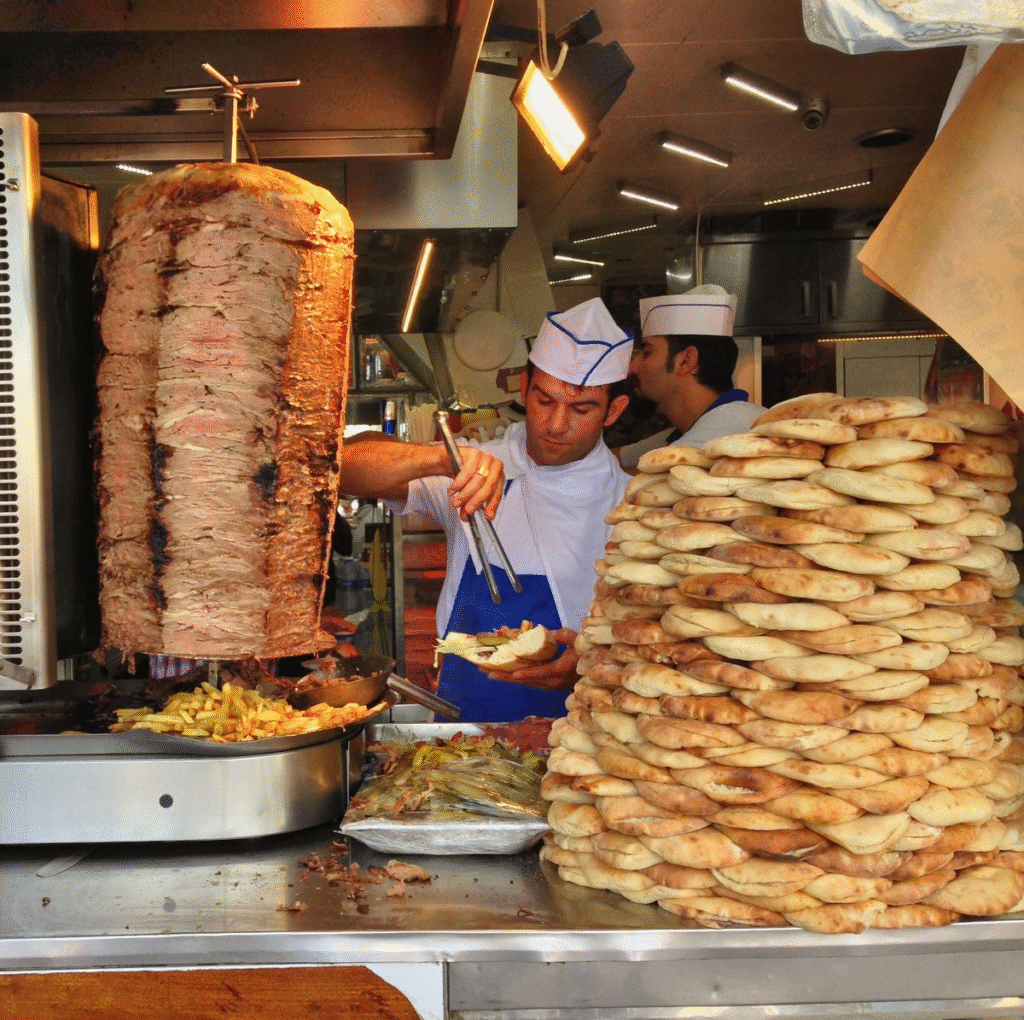
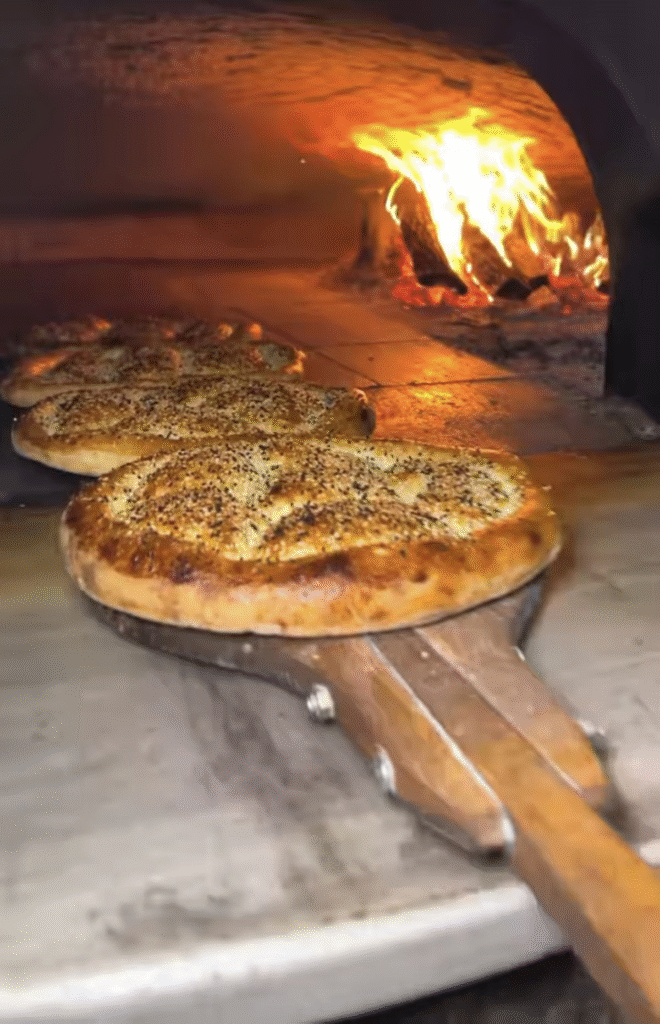
Turkey’s street food scene is vibrant, affordable, and deeply connected to everyday life. Simit, a sesame-covered bread ring, is eaten at all hours of the day. Lahmacun, often called Turkish flatbread, is thin, crispy, and topped with spiced minced meat.
Midye dolma, stuffed mussels with rice and spices, are especially popular in coastal cities. Döner, served in bread or on a plate, remains one of the most recognizable and beloved street foods in the country.
Regional Specialties Worth Traveling For
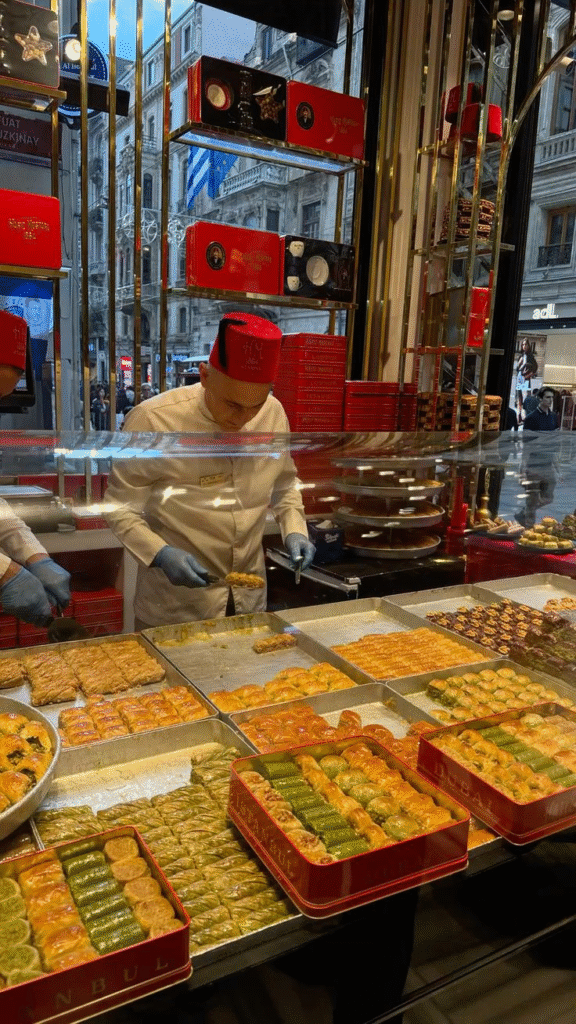
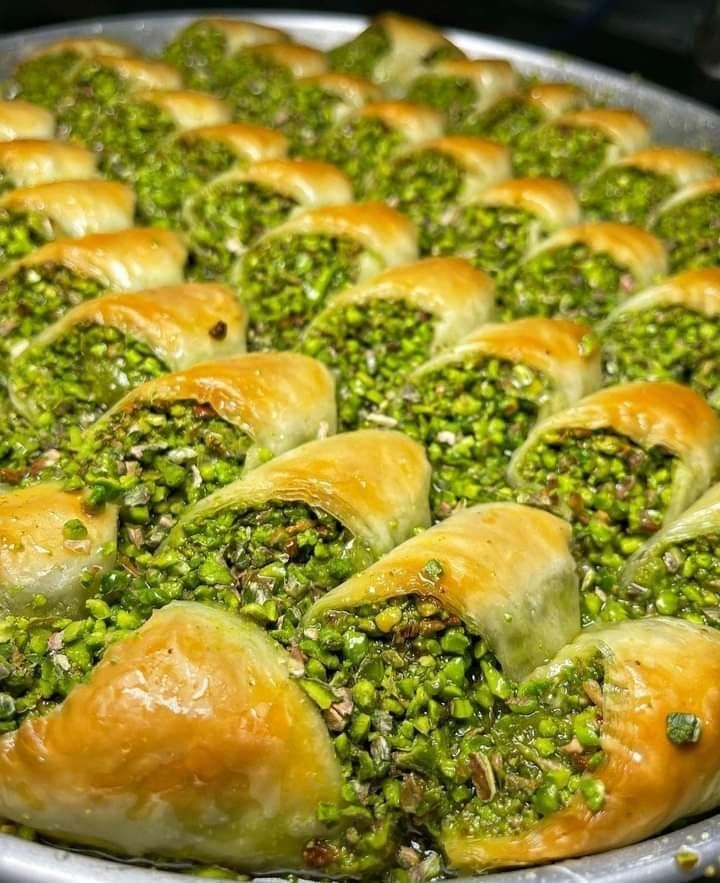
Turkish cuisine changes dramatically from one region to another. In c and famous for its pistachios and baklava. The Aegean region focuses on olive oil, herbs, and vegetables, offering lighter dishes.
The Black Sea region is known for corn-based dishes and anchovies, while Central Anatolia offers hearty meals like mantı, small dumplings served with yogurt and sauce. Each region adds a unique voice to Turkey’s culinary story.
Desserts That End the Meal Perfectly
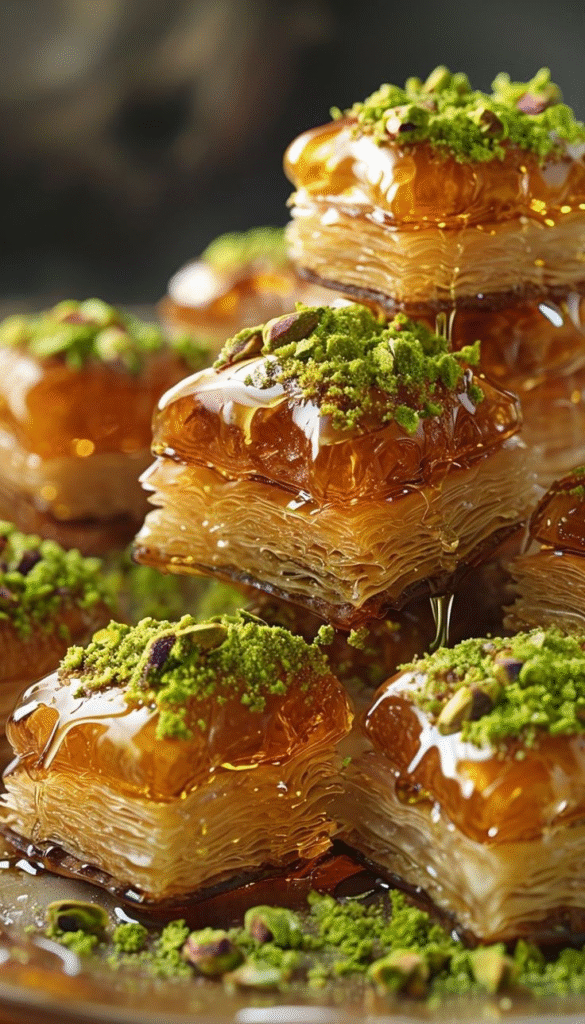
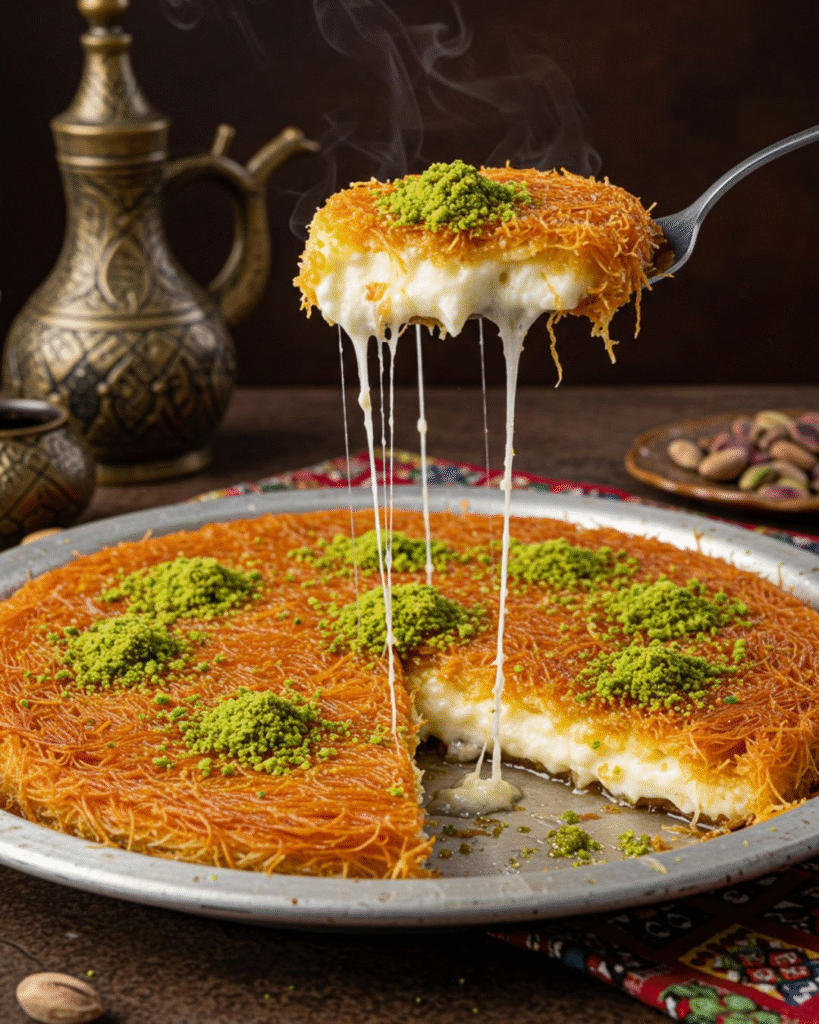
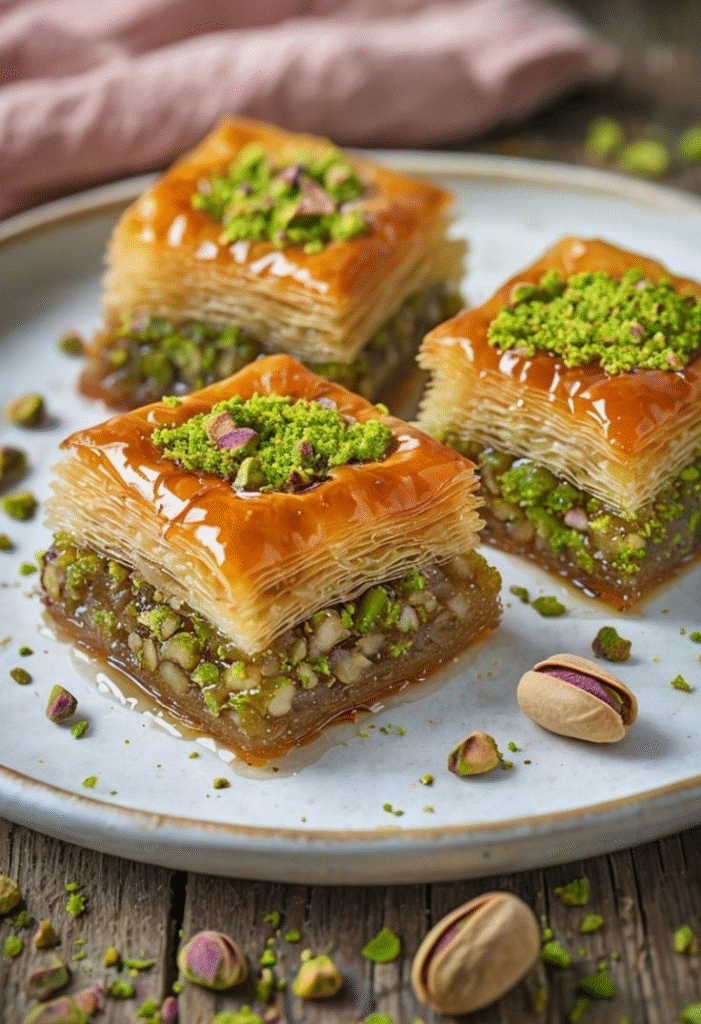
Turkish desserts are bold, sweet, and deeply traditional. Baklava, made with layers of pastry, nuts, and syrup, is perhaps the most famous. Künefe, a warm dessert made with shredded pastry and melted cheese, is crispy on the outside and soft inside.
Turkish delight, or lokum, comes in countless flavors and textures, often enjoyed with coffee or tea rather than as a full dessert.
Drinks That Complete the Experience

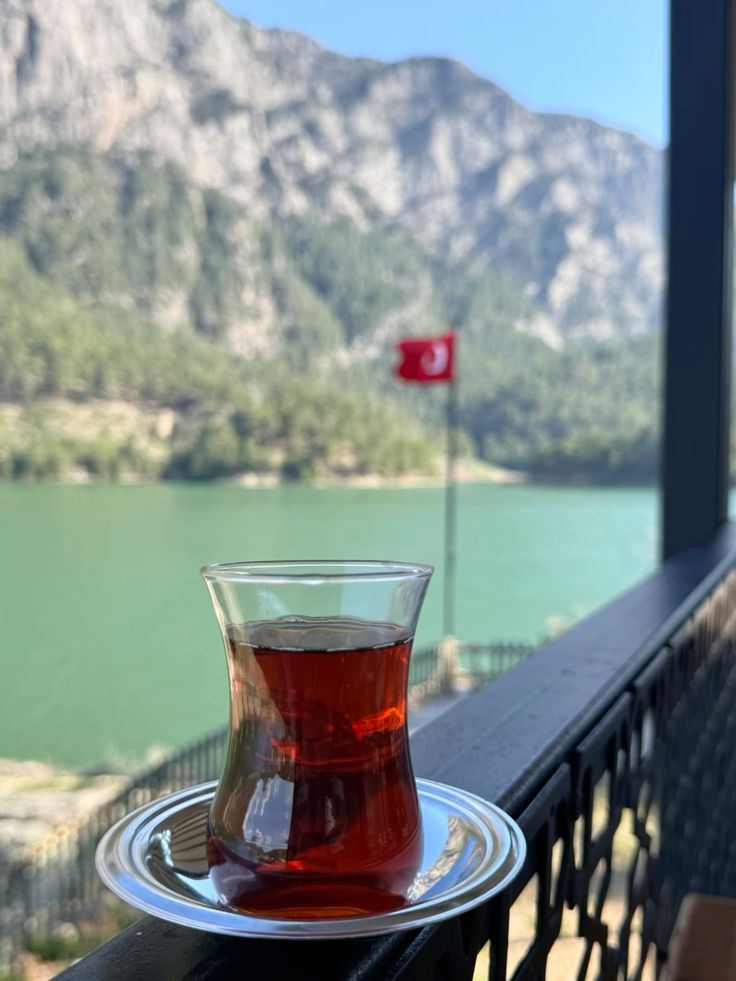
Tea is the most common drink in Turkey and is offered throughout the day as a sign of hospitality. Turkish coffee is strong, rich, and often served after meals, accompanied by conversation rather than haste.
Ayran, a cold yogurt-based drink, pairs perfectly with grilled meats and balances bold flavors. Each drink plays a role in daily life and dining culture.
Final Thought
Turkish cuisine is not about complexity for its own sake. It is about balance, tradition, and care. Every dish tells a story of region, family, and history. To truly experience Turkey, you must taste it slowly, openly, and with curiosity.
For food lovers, Turkey is not just a destination. It is a memory in flavor.
This article is based on general culinary traditions and personal food experiences. Ingredients, preparation styles, and availability may vary by region and season. Travelers with dietary restrictions should confirm ingredients and food preparation methods locally.
#TurkishCuisine #TurkishCuisine #MustTryFood #TasteOfTurkey #FoodTravel #CulinaryJourney #TraditionalFood #StreetFoodTurkey #Anslation #Carrerbook