
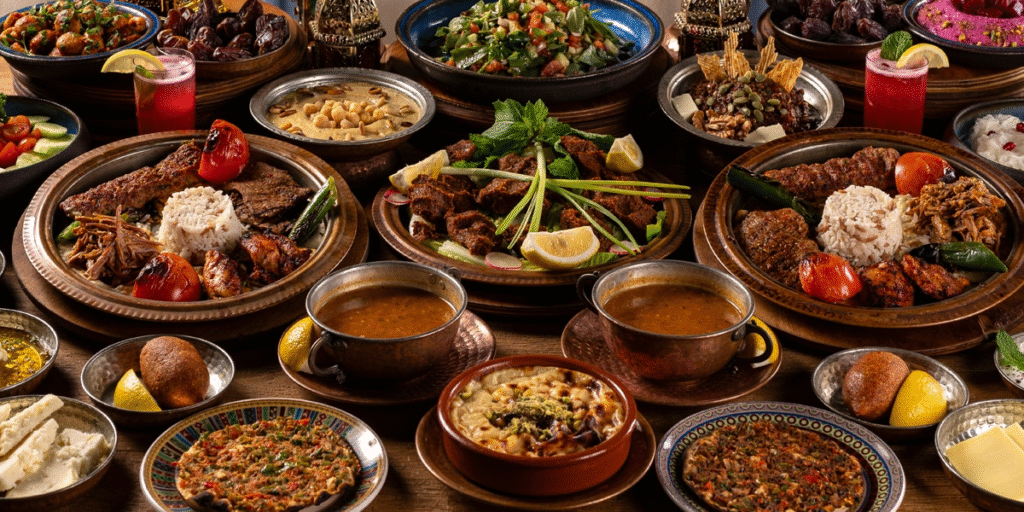
Iftar is the evening meal that Muslims eat to break their daily fast during the holy month of Ramadan. From dawn until sunset, fasting is observed as an act of faith, self-discipline, and spiritual reflection. Iftar marks the end of this fast each day and is a deeply meaningful moment filled with gratitude, community, and nourishment.
More than just a meal, iftar represents patience, devotion, and appreciation. It is a time when families gather, prayers are offered, and the body is gently replenished after hours without food or water.
The Spiritual Importance of Iftar
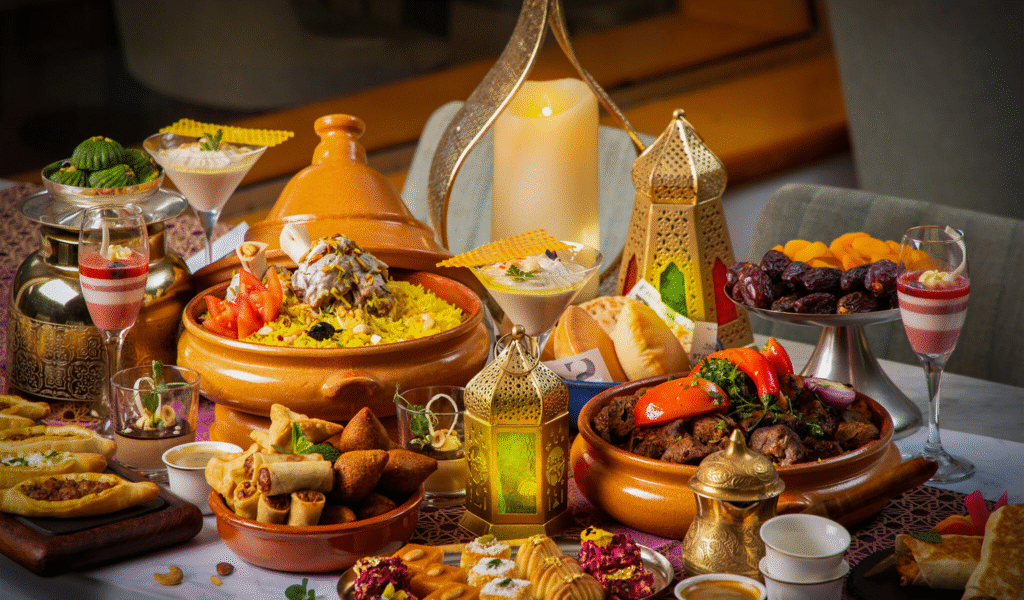
The significance of iftar goes beyond physical hunger. It is closely connected to spiritual growth and mindfulness. Fasting teaches restraint, empathy for those in need, and a stronger connection to faith. Breaking the fast at sunset is often accompanied by prayer, reflection, and a sense of peace.
Many people begin iftar by making a short prayer and expressing gratitude. This moment reminds individuals of the purpose behind fasting and reinforces the values of humility and compassion.
Traditional Way to Break the Fast
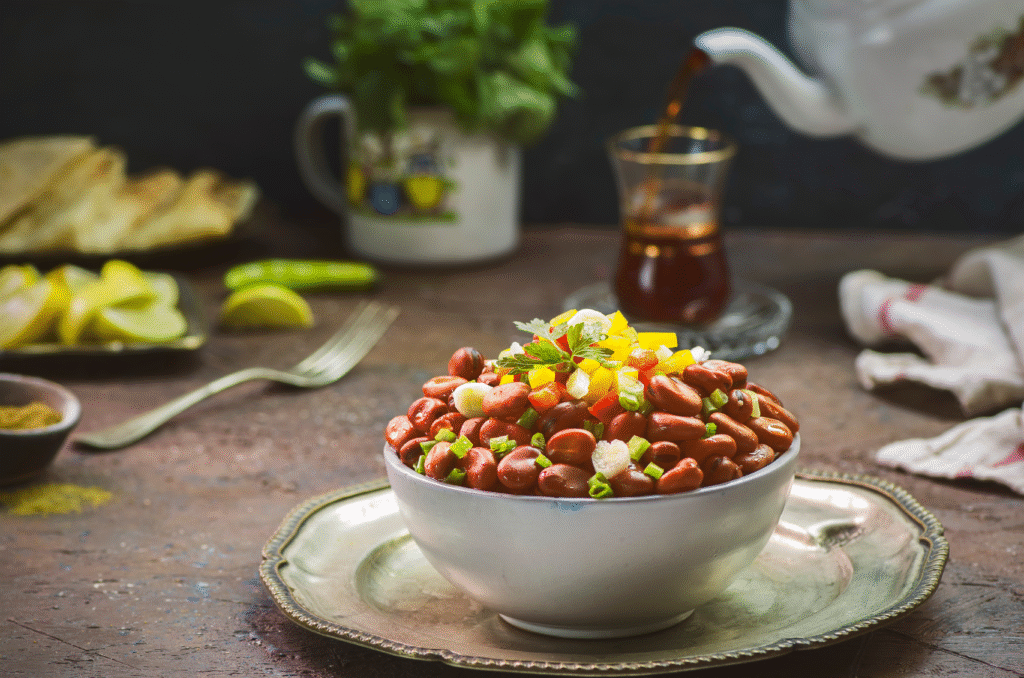
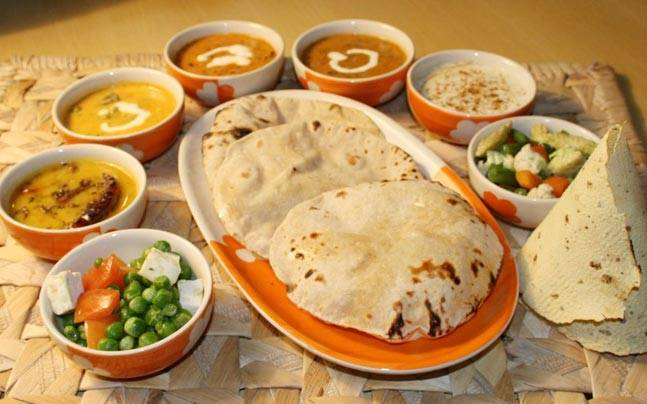
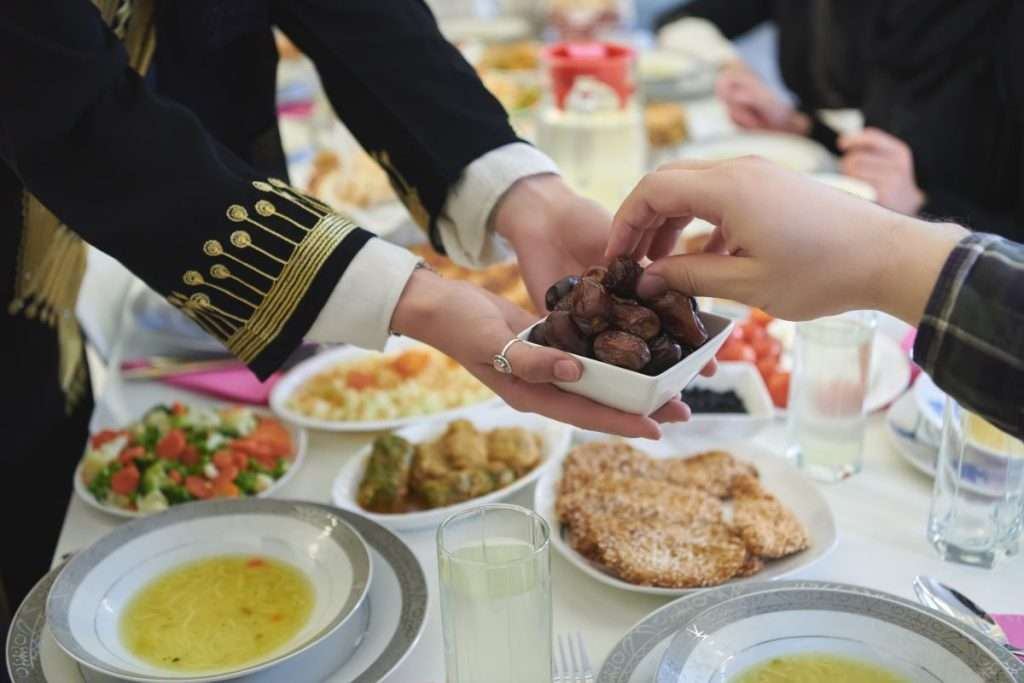
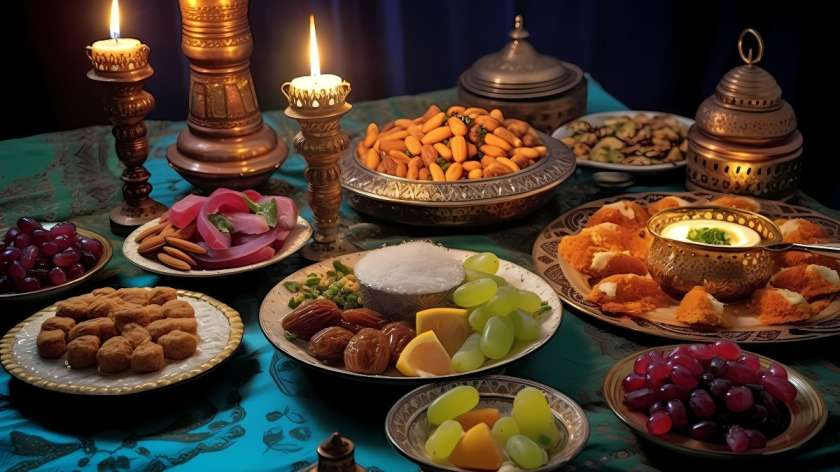
The most traditional way to break the fast is by eating dates and drinking water. Dates provide natural sugars that help restore energy quickly and gently prepare the digestive system. Water helps rehydrate the body after a long day without fluids.
This simple beginning is followed by a balanced meal that may include fruits, soups, grains, vegetables, and protein. The goal is to nourish the body without overwhelming it.
Popular Iftar Foods Around the World
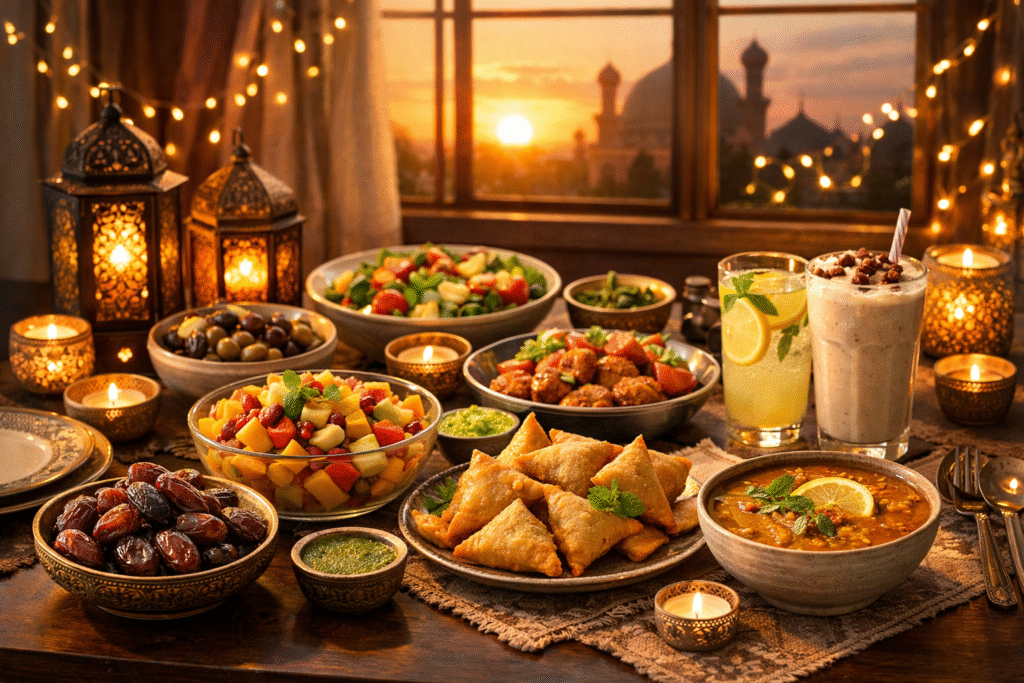
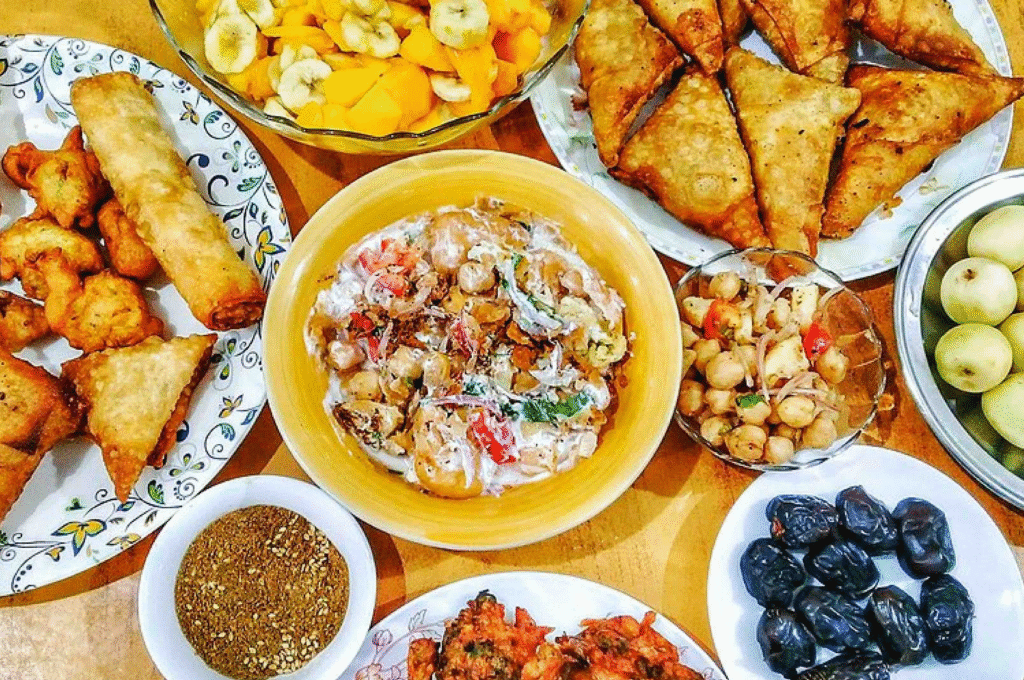
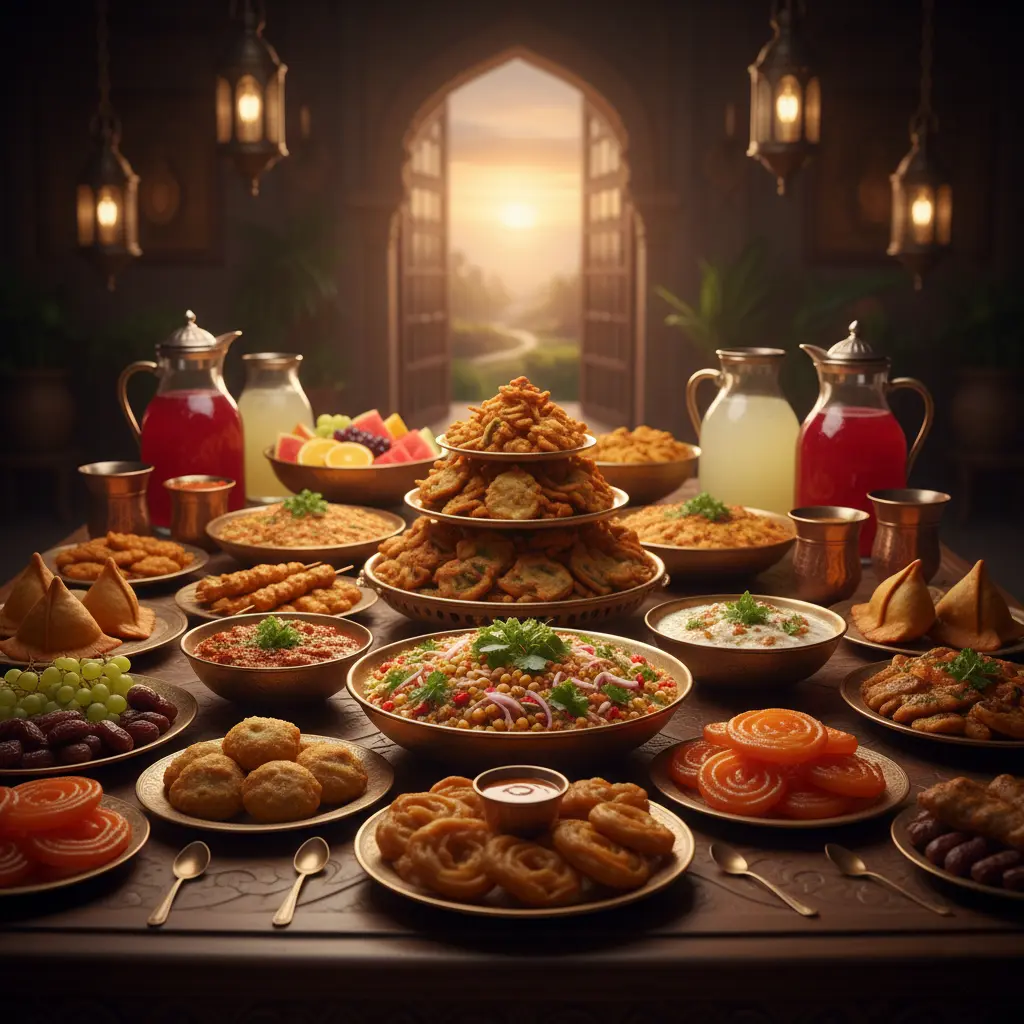
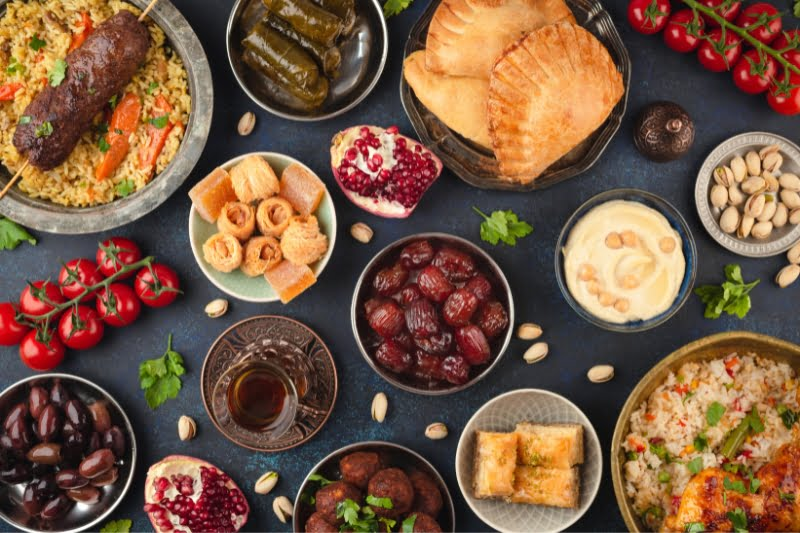
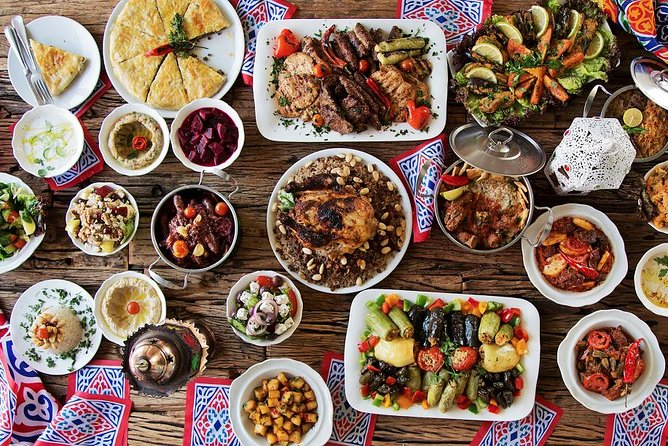
Iftar meals vary depending on culture, region, and personal preference. In many households, fruit chaat, samosas, and pakoras are common starters. Soups are also popular because they are easy to digest and hydrating.
Main dishes often include rice, bread, lentils, vegetables, and meat-based recipes. Desserts such as kheer, baklava, or sweet puddings are sometimes enjoyed in moderation. Drinks like fresh juice, milk, or traditional beverages help restore hydration and energy levels.
Despite the variety of foods, the focus remains on balance, nourishment, and sharing.
Importance of Eating a Balanced Iftar
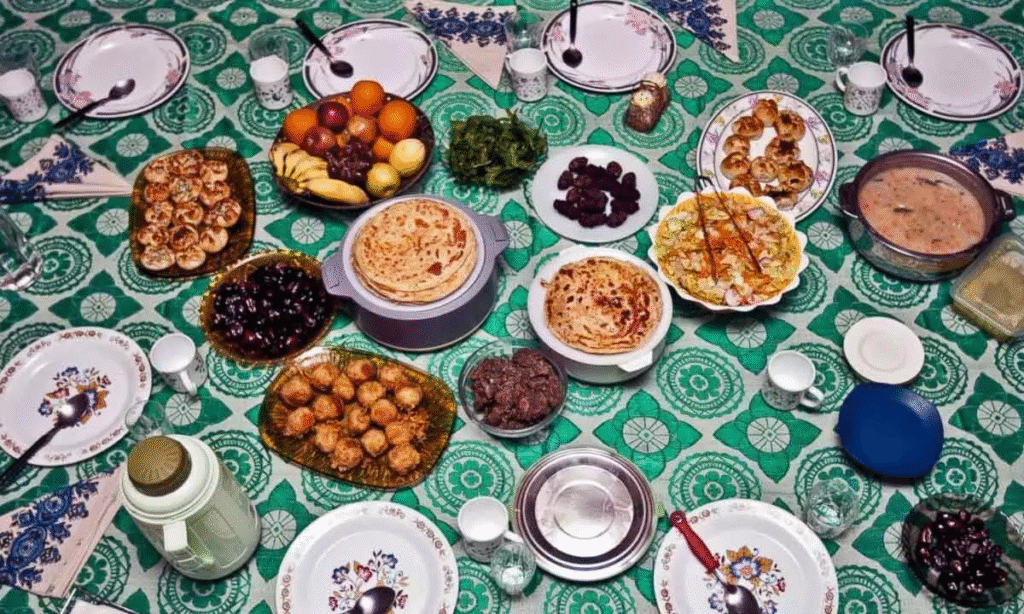
After fasting for many hours, it is important to choose foods that support recovery and sustained energy. Eating too quickly or consuming heavy fried foods in excess can cause discomfort and fatigue.
A balanced iftar typically includes:
- Natural sugars from fruits or dates
- Fluids such as water or fresh juice
- Protein for muscle support
- Whole grains for lasting energy
- Vegetables for essential nutrients
This approach helps the body recover smoothly and prepares it for the next day of fasting.
The Social and Family Aspect of Iftar
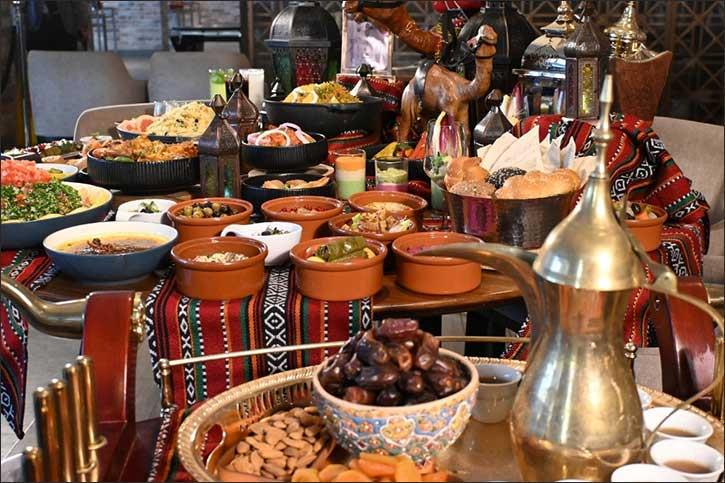
Iftar is also a time of togetherness. Families gather at the table, friends invite each other to share meals, and communities organize group iftars. This shared experience strengthens relationships and builds a sense of unity.
In many places, people also provide meals to those in need, reflecting the spirit of generosity and compassion associated with the month.
Modern Iftar Practices in 2026
In 2026, iftar continues to blend tradition with modern lifestyles. While many families maintain traditional meals, others explore healthier options and more balanced menus. Busy schedules have also led to simpler iftar preparations, but the spiritual meaning remains unchanged.
Technology has made it easier to track prayer and sunset times, helping people prepare for iftar accurately regardless of their location.
Final Thought
Iftar is much more than a daily meal. It is a moment of reflection, gratitude, and renewal. It reminds people of the importance of patience, discipline, and compassion. Whether shared with family, friends, or community members, iftar brings people together in a meaningful and memorable way. Its true value lies not just in the food, but in the spiritual connection and sense of unity it creates.
Simple Fashion Tips and Trends for Everyday Style
Let’s be completely real for a second. If you look at most lifestyle blogs or…
Disclaimer
This article is intended for informational and educational purposes only. Iftar traditions, foods, and practices may vary depending on cultural, regional, and personal preferences. Individuals should follow their own beliefs, health needs, and local religious guidance.
#Iftar #Ramadan2026 #RamadanFood #IftarGuide #BreakingFast #RamadanTraditions #HealthyIftar #Anslation #Carrerbook