
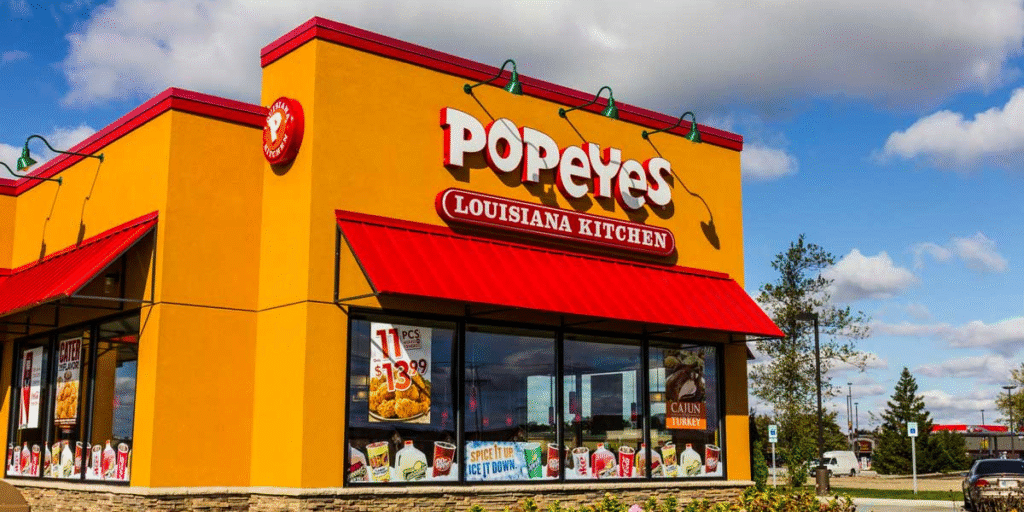
The fast-food industry is one of the most competitive sectors in the global restaurant market. Even well-known brands occasionally face financial challenges, and recent headlines about bankruptcy filings connected to Popeyes Louisiana Kitchen have sparked widespread discussion. Many customers are wondering whether the beloved fried chicken brand is in trouble or if their local restaurant could close.
Understanding what these bankruptcy reports actually mean requires a closer look at how the franchise system works, why some operators struggle financially, and how these situations affect the overall brand.
The Global Success of Popeyes
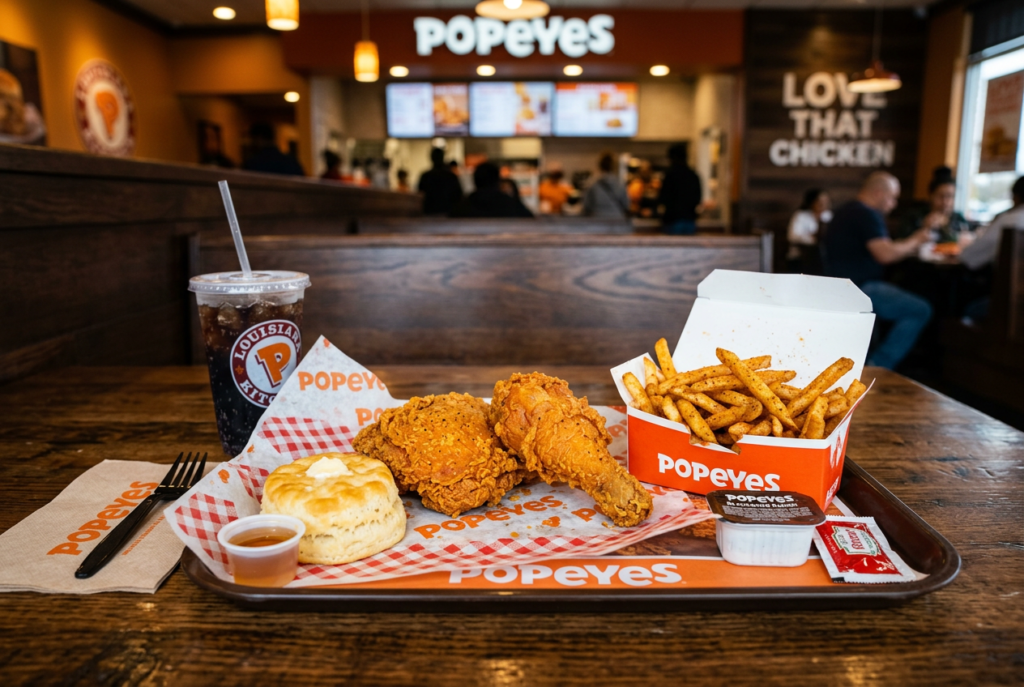
Founded in 1972 in New Orleans, Popeyes quickly built a reputation for its distinctive Louisiana-style fried chicken, bold spices, and Southern-inspired menu. Over the decades, the brand expanded rapidly across the United States and internationally.
Today, Popeyes is owned by Restaurant Brands International, the same company that operates other major chains like Burger King and Tim Hortons.
The brand has experienced significant growth in recent years, particularly after the viral success of the Popeyes chicken sandwich launched in 2019. That product alone generated massive customer demand and strengthened the chain’s position in the competitive fried chicken market.
Despite this success, some franchise owners have encountered financial challenges that have led to bankruptcy filings.
Understanding How the Franchise System Works
One important detail often misunderstood in bankruptcy headlines is that most Popeyes restaurants are not directly owned by the corporate brand. Instead, they operate under a franchise model.
In this system:
- Each franchise owner manages their own finances, staffing, and operations.
- Individual business owners purchase the right to operate a Popeyes location.
- Franchisees pay fees and royalties to the parent company.
Because of this structure, financial difficulties faced by one or several franchise owners do not necessarily mean the entire brand is struggling. Bankruptcy filings usually involve individual franchise groups rather than the corporate company itself.
This distinction explains why a brand can still grow globally even while some franchise operators face economic pressures.
Why Some Popeyes Franchisees Are Filing for Bankruptcy

Several factors can contribute to financial difficulties among franchise owners. Running a restaurant requires significant investment, and even popular brands face challenges in a changing economy.
Rising Operating Costs
One of the biggest pressures for restaurant operators today is the rising cost of doing business. Expenses such as labor, rent, food ingredients, and utilities have increased significantly in recent years.
For smaller franchise owners, these rising costs can reduce profit margins and make it difficult to maintain stable operations.
Increased Competition
The fried chicken market has become extremely competitive. Major chains and emerging brands are constantly introducing new products and marketing campaigns to attract customers.
Competitors like KFC and Chick-fil-A continue to dominate certain markets, while newer fast-casual chicken concepts are gaining popularity among younger consumers.
This competitive pressure can impact sales for some franchise locations.
Rapid Expansion Challenges
During periods of strong brand growth, franchise groups may open multiple locations in a short time. While expansion can be profitable, it also increases financial risk.
If new restaurants do not generate the expected revenue, franchise operators may struggle to repay loans or manage operating expenses. In some cases, bankruptcy becomes a way to restructure debts and continue operating.
What Bankruptcy Means for Customers
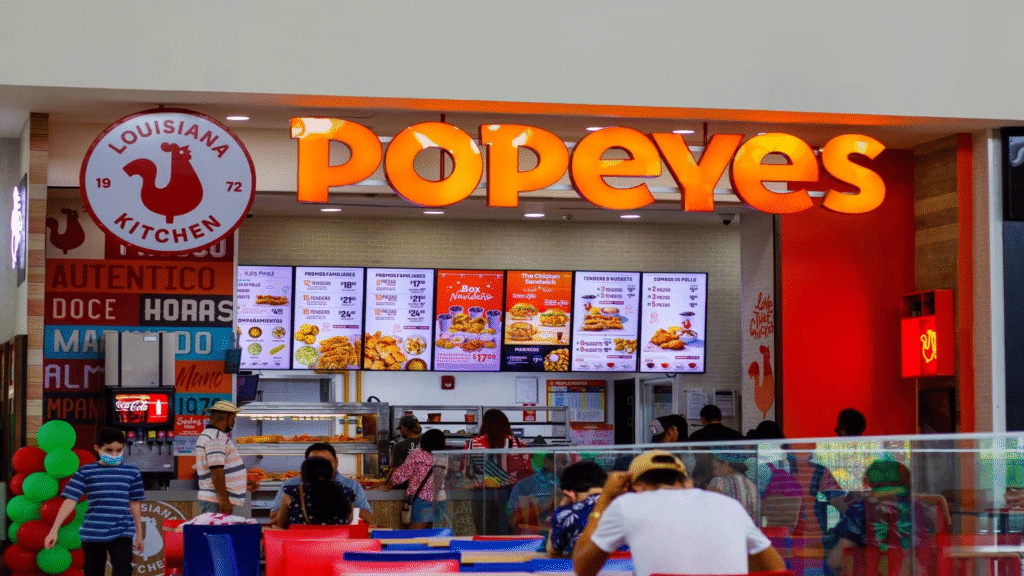
For customers, bankruptcy filings by franchise owners rarely lead to immediate disruption. Restaurants often continue operating normally during financial restructuring processes.
In many cases, bankruptcy allows franchisees to reorganize their finances, renegotiate debts, and keep their locations open. Some restaurants may change ownership or temporarily close, but the overall brand presence usually remains stable.
Customers can still expect to find Popeyes restaurants in many locations worldwide, and the brand continues to expand into new markets.
The Role of Restaurant Brands International
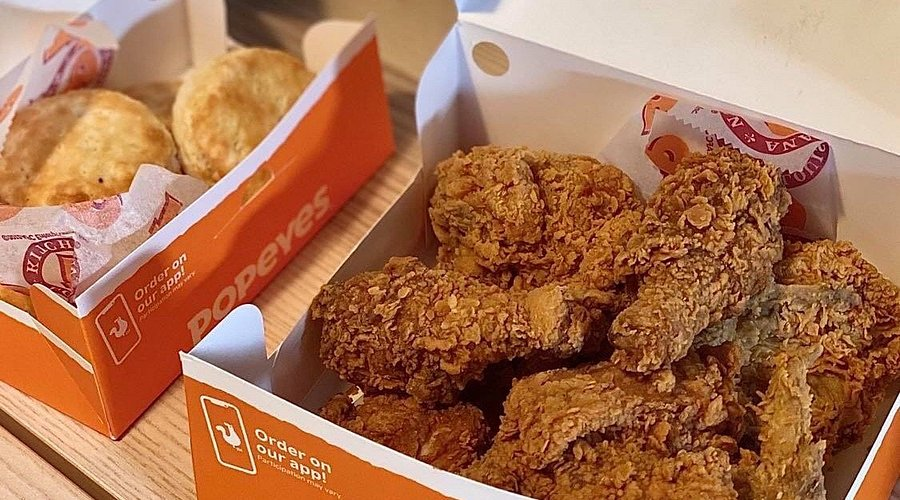
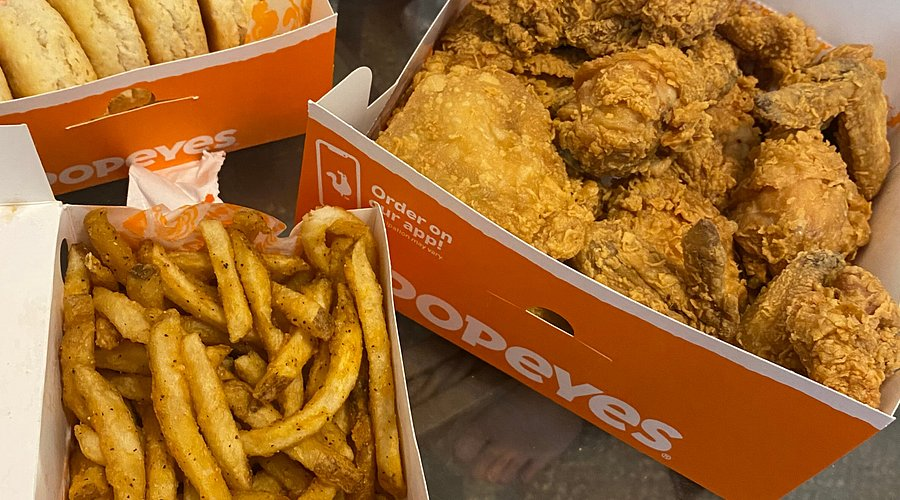
As the parent company, Restaurant Brands International focuses on maintaining brand standards, marketing strategies, and global growth.
Even when individual franchisees experience financial trouble, the corporate company often works with operators to find solutions that protect the brand and support long-term stability.
This approach helps ensure that the Popeyes brand remains strong despite challenges faced by individual restaurant owners.
The Future of the Popeyes Brand
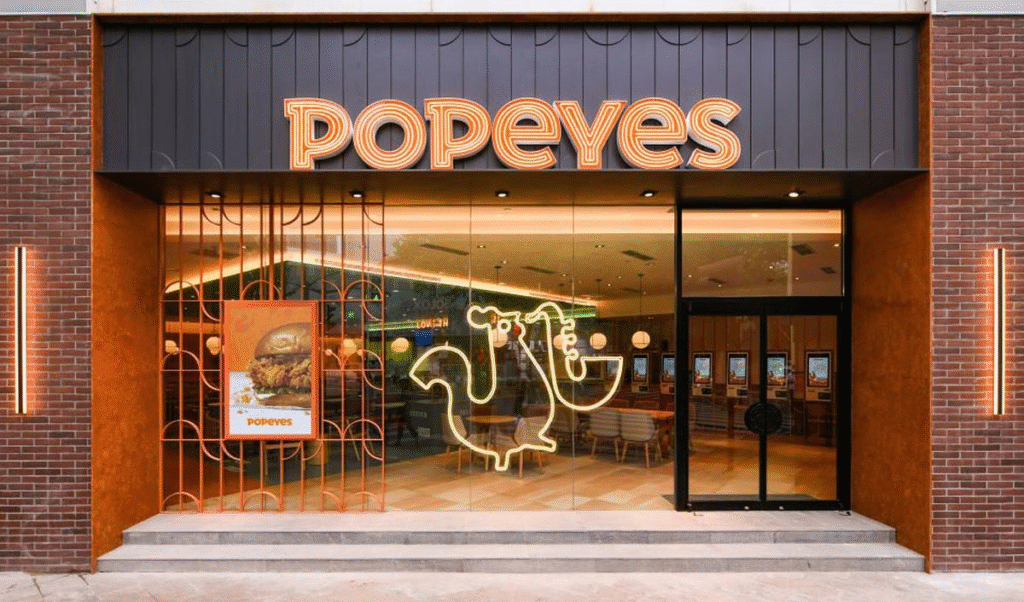
Despite headlines about bankruptcy filings, the overall outlook for Popeyes remains positive. The brand continues to expand internationally and invest in new menu innovations, digital ordering technology, and modern restaurant designs.
Consumer demand for fried chicken remains strong, and Popeyes has built a loyal customer base thanks to its distinctive flavors and menu offerings.
As the restaurant industry continues evolving, brands that adapt to changing customer expectations, delivery trends, and technology are more likely to succeed. Popeyes has already demonstrated its ability to innovate and remain relevant in a crowded market.
Zoe Saldaña’s Stunning Oscars 2026 Outfit Is One of the Night’s Best Looks
The red carpet at the Academy Awards is always one of the most exciting fashion…

#Popeyes #FastFoodIndustry #RestaurantBusiness #FranchiseBusiness #FoodIndustryNews #RestaurantBrandsInternational #BusinessNews #FastFoodTrends #Anslation #Carrerbook