
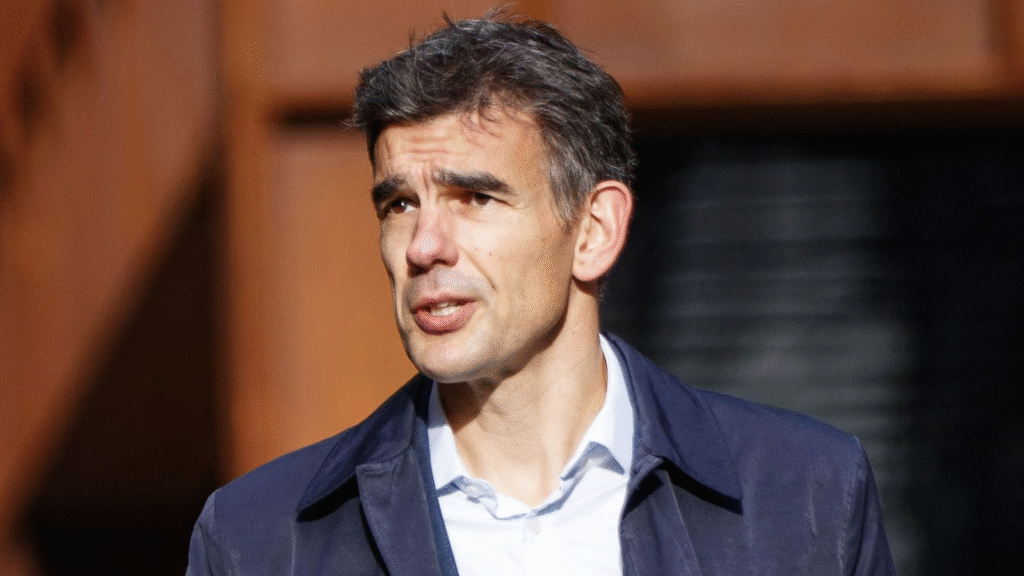
The question dominating UK media circles right now is whether Matt Brittin — a former tech executive with nearly two decades at Google — is the right person to steer the BBC into an uncertain digital future. With his expected appointment as Director-General, Brittin is stepping into one of the most scrutinized and challenging roles in British public life.
From leading Google’s Europe, Middle East, and Africa operations to describing himself as a “gap year student” on LinkedIn, Brittin’s journey is anything but conventional. But the real question remains — can a big tech leader successfully run a public service broadcaster with deep cultural, political, and editorial responsibilities?
From Google Executive to BBC Leadership Contender
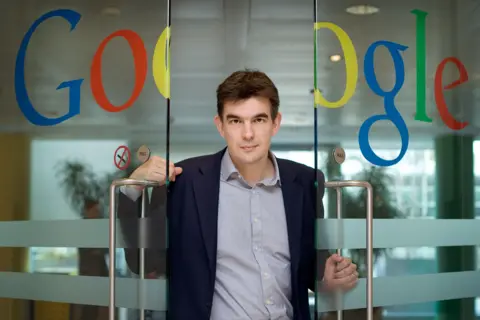
After nearly 20 years at Google, where he served as President of EMEA, Matt Brittin stepped down at the end of 2024. His time at the tech giant was marked by major responsibilities, including navigating regulatory challenges in Europe and handling crises such as advertiser pullouts from YouTube.
During what he called a “mini gap year,” Brittin embraced a slower pace of life — growing a beard, buying a sculling boat, and planning to learn scuba diving. But this break is expected to be short-lived, as he prepares to take on the demanding role at the BBC.
His background is diverse. From working at Trinity Mirror (now Reach plc) to serving on the board of Guardian Media Group, Brittin has had exposure to both media and corporate environments. However, critics point out that he lacks direct experience in public service broadcasting — a key aspect of the BBC’s identity.
A Leader with Strong Corporate Credentials
Supporters of Matt Brittin describe him as an exceptional leader. Colleagues from Google praise his intelligence, analytical thinking, and ability to quickly understand complex problems.
He is known for being approachable and diplomatic while maintaining a sharp strategic mindset. People who have worked with him often highlight his ability to inspire teams and foster loyalty. His leadership style is seen as collaborative, yet decisive — a combination that could prove valuable in managing the BBC’s large workforce of over 21,000 employees.
His experience in the corporate world also suggests he is capable of making tough decisions. At Google, he oversaw restructuring efforts, including significant job cuts. This ability to implement “hard choices” may be crucial for the BBC, which faces financial pressures and the need to modernize.
The Challenges of Running the BBC
Leading the BBC is unlike running a traditional business. The BBC is a publicly funded institution with a unique mission: to serve all audiences in the UK while maintaining impartiality and editorial integrity.
The role of Director-General comes with intense scrutiny — from Parliament, the media, and the public. Previous leaders, including Tim Davie, have faced criticism over editorial decisions and controversies.
The BBC has recently dealt with multiple challenges, including high-profile resignations, editorial errors, and even a defamation case involving Donald Trump. These issues highlight the pressure Brittin will face as editor-in-chief, responsible for everything broadcast under the BBC’s name.
Additionally, the organization is undergoing a transition towards digital platforms while dealing with budget constraints and debates over the future of the licence fee.
Strengths Brittin Brings to the Table
One of Brittin’s biggest advantages is his deep understanding of digital transformation. Having worked at Google, he is well-versed in the rapidly evolving media landscape, where streaming platforms and online content dominate.
The BBC has already adopted a “digital-first” strategy, particularly in news. Brittin’s experience could accelerate this shift, helping the organization compete with global tech giants.
He is also expected to focus on innovation, particularly with platforms like BBC iPlayer. There is ongoing discussion about whether public service broadcasters should consolidate content into unified digital platforms — a move Brittin may champion.
Furthermore, his ability to build partnerships could be a significant asset. Instead of viewing big tech as a competitor, he may explore collaborations that benefit the BBC.
Concerns and Criticism
Despite his strengths, Brittin’s potential appointment has raised concerns. Critics argue that placing a former Google executive in charge of the BBC could lead to a clash of values.
Big tech companies have often been accused of undermining traditional media by capturing advertising revenue and reshaping content distribution. Some fear that Brittin’s background may influence the BBC’s direction in ways that prioritize digital growth over traditional public service values.
There are also questions about his lack of editorial experience. As Director-General, Brittin will act as editor-in-chief, making critical decisions about journalism and content. This responsibility requires a deep understanding of media ethics and editorial standards.
Another point of criticism is the BBC’s perceived cultural bias. Some commentators suggest that Brittin’s previous associations with media organizations may align with certain viewpoints, raising concerns about impartiality.
Navigating Public Scrutiny
Matt Brittin is no stranger to scrutiny. During his time at Google, he faced tough questioning from UK MPs over the company’s tax practices.
In 2016, Google agreed to pay £130 million in back taxes following criticism. Brittin’s appearances before the Public Accounts Committee drew significant attention, particularly when he was unable to disclose his own salary.
However, the level of scrutiny at the BBC is likely to be even more intense. Every decision, from editorial choices to strategic direction, will be closely examined.
The Digital Future of the BBC
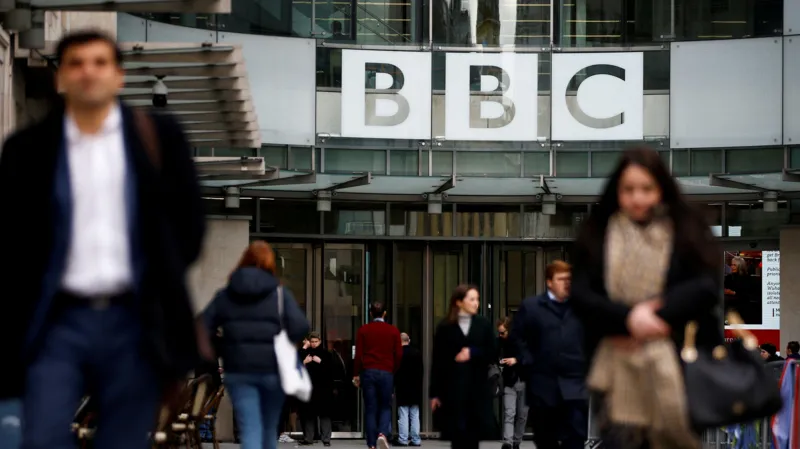
The BBC is at a crossroads. As audiences shift towards streaming and on-demand content, the organization must adapt to remain relevant. Brittin’s expertise in digital media could play a crucial role in shaping this transition.
There is growing debate about the future of public service broadcasting. Should the BBC focus on attracting younger audiences who prefer digital platforms? Or should it prioritize its traditional strengths in high-quality programming and impartial journalism?
Brittin will need to balance these priorities while ensuring the BBC continues to justify its public funding model.
A Personal Mission and Vision
For Matt Brittin, the role appears to be more than just a career move. Having already achieved financial success, he is reportedly motivated by the opportunity to make a meaningful impact.
He has spoken about the potential of technology as a force for good and his desire to harness innovation responsibly. If he can bring a sense of optimism and forward-thinking leadership to the BBC, it could help boost morale within the organization.
His willingness to “learn and try new things,” as he mentioned during his gap year, may also serve him well in navigating the complexities of the role.
Right Leader or Risky Bet?
The appointment of Matt Brittin as Director-General of the BBC represents both an opportunity and a risk.
On one hand, his leadership skills, digital expertise, and strategic vision could help modernize the BBC and position it for the future. On the other hand, his lack of traditional broadcasting experience and ties to big tech raise valid concerns.
Ultimately, his success will depend on how well he balances innovation with the BBC’s core values of impartiality, public service, and cultural representation.
As the media landscape continues to evolve, one thing is certain — Brittin’s tenure, if confirmed, will be closely watched and widely debated.
FAQs
Simple Fashion Tips and Trends for Everyday Style
Let’s be completely real for a second. If you look at most lifestyle blogs or…
Trending Entertainment Ideas for Your Free Time
Seriously, why does our “free time” sometimes feel like a second job? Think about how…

Easy Beauty Tips to Refresh Your Everyday Look in 2026
Look, let’s drop all the formal article formatting for Beauty a second and just talk…
Trending News and Important Updates Making Headlines in 2026
Look, I totally get what you are trying to do. You want writing that sounds…

What’s Trending in 2026: Latest News and Updates
Remember when keeping up with “latest tech trends” meant Trending reading about abstract concepts that…

Useful Technology Trends Making Everyday Life Easier
Let’s be honest for a second: a few years ago, buying “smart” technology often felt…