
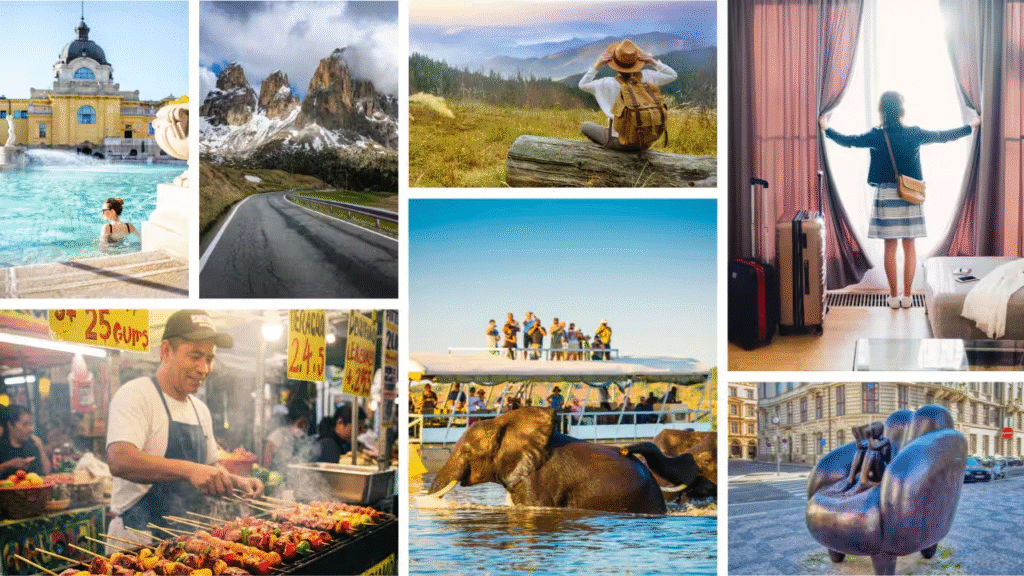
Travel in 2026 is no longer just about visiting famous landmarks or ticking destinations off a list. It has evolved into a more immersive, personalized, and experience-driven journey. With the rise of smart technology, flexible work culture, and increased awareness about sustainability, people now travel with a purpose. Whether you are planning a solo trip, a family vacation, or a long-term travel lifestyle, understanding how modern travel works can help you make the most of every journey.
The New Era of Travel
The travel landscape has changed significantly in recent years. Travelers are no longer satisfied with crowded tourist attractions and predictable itineraries. Instead, they seek authenticity, local experiences, and meaningful connections.
Technology has made travel easier than ever. From AI-powered itinerary planners to real-time navigation and translation tools, everything is now accessible at your fingertips. At the same time, travelers are becoming more responsible, choosing eco-friendly options and supporting local communities.
This shift has made travel more enriching, where the focus is not just on the destination but on the overall experience.
Smart Planning for a Better Journey
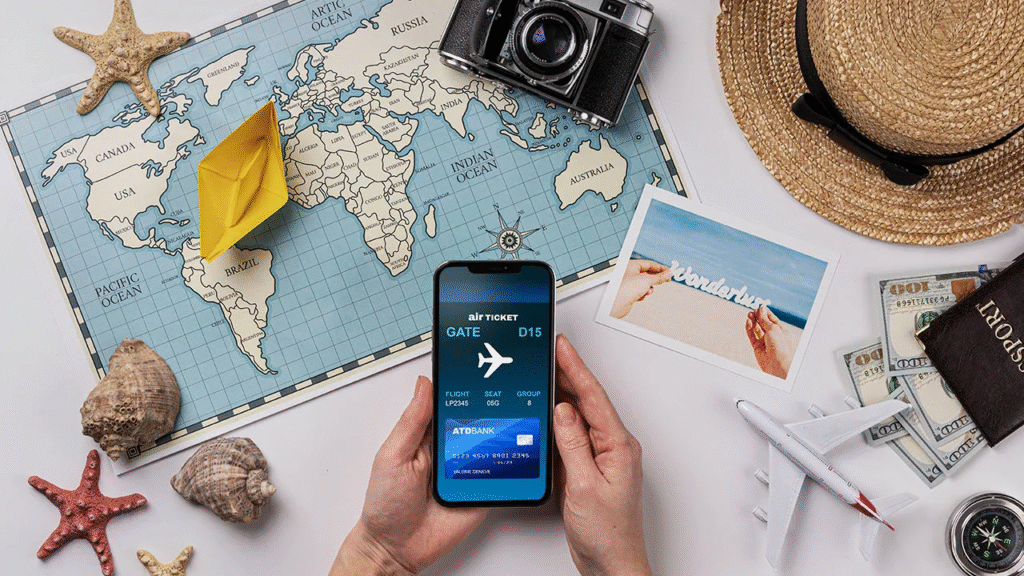
A successful trip begins with proper planning. While spontaneous travel has its charm, a structured plan helps avoid unnecessary stress and expenses.
When planning your trip, it is important to consider your interests. Some people enjoy adventure, while others prefer relaxation or cultural exploration. Choosing a destination that aligns with your preferences ensures a more satisfying experience.
There are a few essential aspects to focus on:
- Selecting the right time to travel, preferably during off-season to avoid crowds
- Booking flights and accommodations in advance for better deals
- Keeping your itinerary flexible to adjust unexpected changes
- Using travel apps to manage bookings, navigation, and schedules
Good planning allows you to spend less time worrying and more time enjoying your trip.
Traveling Smart on a Budget
One of the biggest myths about travel is that it requires a lot of money. In reality, with the right strategies, you can travel frequently without overspending.
Managing your budget starts with making smart choices. Accommodation, transportation, and food are the main expenses, and controlling these can significantly reduce your overall cost.
Here are some practical ways to save money while traveling:
- Use public transport instead of taxis or private vehicles
- Stay in budget-friendly accommodations like hostels or homestays
- Eat at local eateries instead of expensive restaurants
- Look for discounts, travel deals, and early booking offers
Budget travel does not mean compromising comfort—it simply means spending wisely and prioritizing experiences.
Packing the Right Way
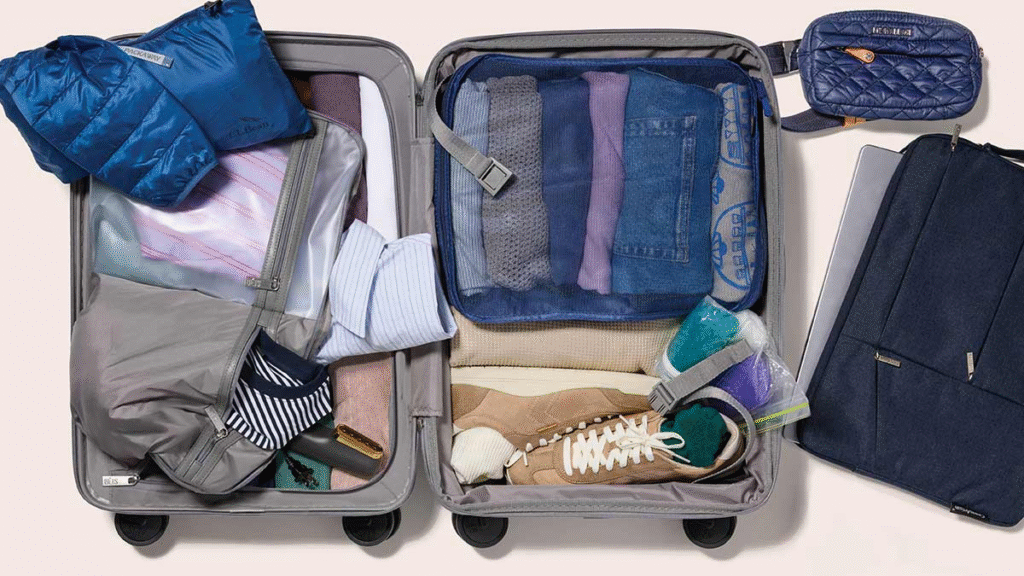
Packing is often underestimated, but it plays a crucial role in your travel experience. Overpacking can make your journey uncomfortable, while underpacking can leave you unprepared.
The key is to pack smart and carry only what you truly need. Your packing list should depend on your destination, weather, and duration of the trip.
Essential items to include:
- Comfortable and weather-appropriate clothing
- Important documents such as passport, ID, and tickets
- Electronic essentials like chargers and power banks
- A basic medical kit for emergencies
Packing light not only saves money on baggage fees but also makes it easier to move around and stay flexible during your trip.
Focus on Experiences, Not Just Destinations
In 2026, travel is defined by experiences rather than locations. People now value what they do during their trip more than where they go.
Experiential travel allows you to connect deeply with the place and its culture. Instead of rushing from one attraction to another, it encourages you to slow down and truly explore.
Some of the most popular travel experiences include:
- Cultural immersion through festivals, traditions, and local interactions
- Adventure activities like trekking, scuba diving, and wildlife safaris
- Food exploration by trying regional cuisines and street food
- Wellness retreats focusing on relaxation, yoga, and mental well-being
These experiences create lasting memories and make your journey more meaningful.
Responsible and Sustainable Travel
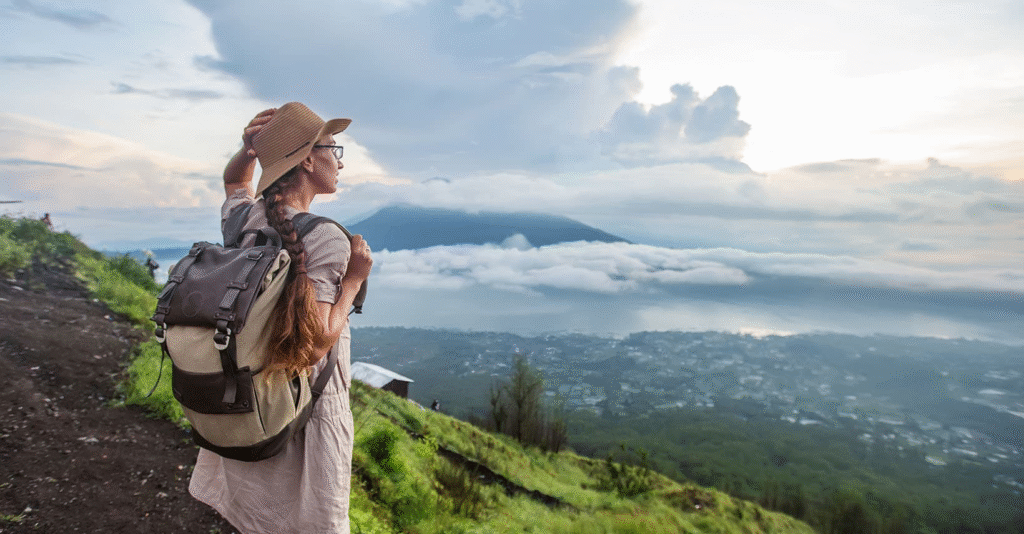
As travel grows, so does its impact on the environment. This is why sustainable travel has become an important part of modern tourism.
Travelers today are more conscious of their choices and aim to minimize their environmental footprint. Responsible travel is about respecting nature, culture, and local communities.
You can travel responsibly by:
- Avoiding single-use plastics and reducing waste
- Supporting local businesses and artisans
- Choosing eco-friendly accommodations and services
- Respecting local customs, traditions, and environments
Even small efforts can contribute to preserving destinations for future generations.
Capturing Memories the Right Way
Photography is an important part of travel, but it should not take away from the experience itself. While capturing moments is valuable, living those moments is even more important.
Instead of focusing only on perfect shots, try to capture natural and candid moments. Early mornings and sunsets provide the best lighting for photos. At the same time, remember to put your camera aside and fully enjoy the place you are in.
Understanding Your Travel Style
Every traveler has a unique style, and understanding yours can improve your overall experience.
Some people prefer traveling alone, enjoying freedom and independence. Solo travel allows you to explore at your own pace and helps build confidence.
Others prefer group travel, which offers safety, shared experiences, and reduced costs. Traveling with friends or family can make the journey more enjoyable and memorable.
Choosing the right travel style depends on your personality, comfort level, and travel goals.
Staying Safe During Your Journey
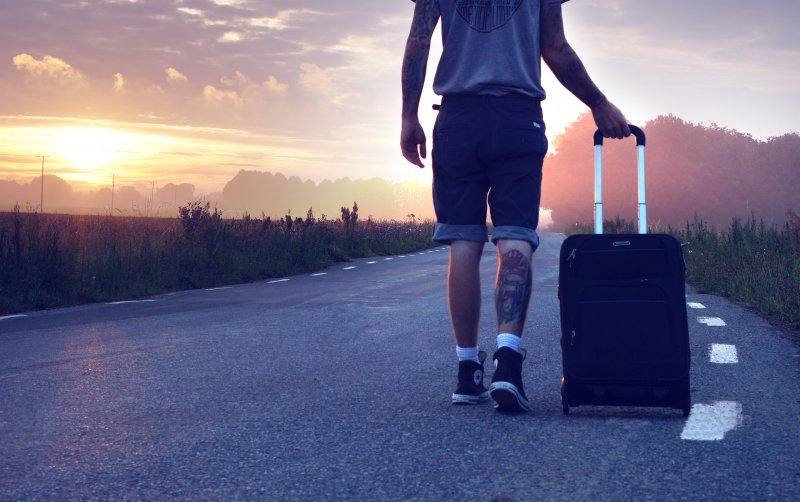
Safety is one of the most important aspects of travel. No matter how exciting a destination is, being cautious ensures a smooth experience.
Basic safety practices include:
- Keeping copies of important documents
- Avoiding unsafe or unfamiliar areas, especially at night
- Staying connected with trusted people
- Using reliable transportation and accommodations
Being aware and prepared helps you handle unexpected situations with confidence.
The Future of Travel
The future of travel is shaped by innovation and sustainability. Technology will continue to make travel more convenient, while eco-friendly solutions will reduce its environmental impact.
Some emerging trends include AI-powered travel assistants, smart hotels, virtual previews of destinations, and faster transportation systems. These advancements will make travel more efficient and personalized.
At the same time, the focus on meaningful and responsible travel will continue to grow, encouraging people to explore the world in a better way.
Conclusion
Travel in 2026 is about more than just movement—it is about transformation. It allows you to discover new cultures, meet different people, and gain fresh perspectives. With proper planning, smart budgeting, and responsible choices, every trip can become a life-changing experience.
The world is full of incredible opportunities waiting to be explored. All you need is the willingness to step out, embrace new experiences, and travel with an open mind.
FAQs
1. What is the best way to plan a trip in 2026?
Plan in advance, use travel apps, and keep your itinerary flexible.
2. How can I reduce travel expenses?
Travel in off-season, use public transport, and choose budget accommodations.
3. Is solo travel a good option?
Yes, it offers independence and personal growth if done safely.
4. What are the key travel trends in 2026?
Sustainable travel, digital nomad lifestyle, and experience-based tourism.
5. How can I make my trip more meaningful?
Engage with local culture, try new activities, and travel responsibly.