
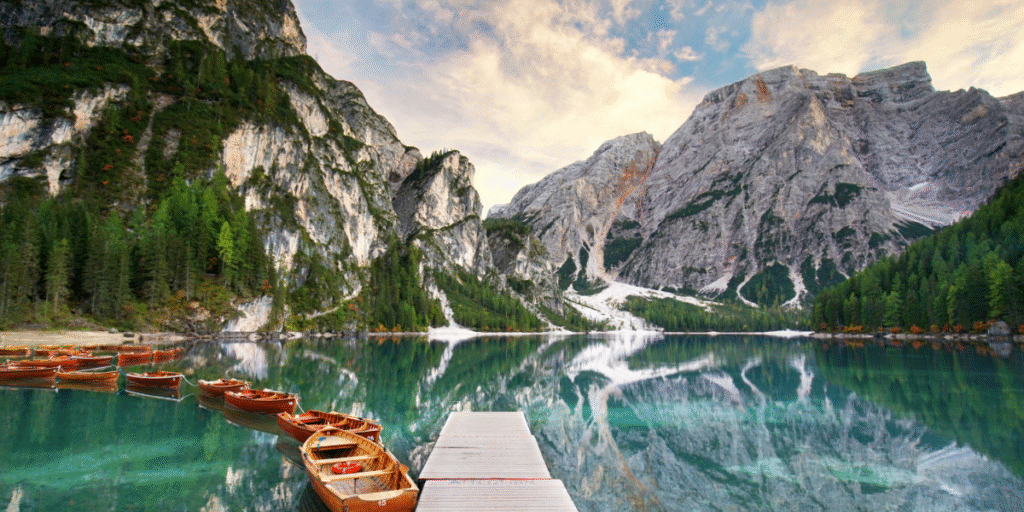
The Dolomites are one of those rare places that change personality with every season. Snow turns the peaks into a winter fairytale. Spring brings quiet valleys and fresh alpine air. Summer fills the meadows with wildflowers and hikers. Autumn paints the forests in deep gold and copper tones.
There is no single “perfect” time to visit the Dolomites. The best season depends on what you want to experience. This guide will help you decide when to go based on weather, activities, crowd levels, and overall atmosphere.
Visiting the Dolomites in Spring (April to May)
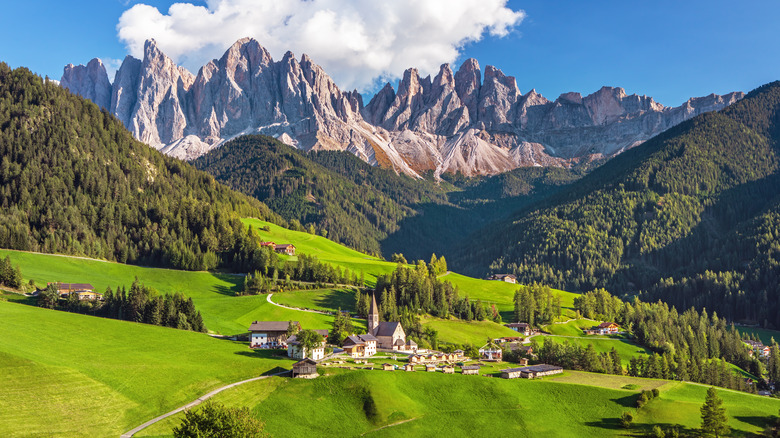
Spring in the Dolomites feels like a transition between worlds. Snow begins to melt in lower valleys, rivers flow stronger, and villages slowly wake up after winter.
What to Expect
- Lower accommodation prices
- Cooler temperatures, especially at higher altitudes
- Some hiking trails and mountain passes still closed
- Fewer tourists
Spring is ideal if you prefer quiet landscapes and peaceful walks in the valleys. However, if your goal is high-altitude hiking or panoramic cable car rides, many lifts may not yet be operating.
This season suits travelers who enjoy slow travel, photography without crowds, and exploring charming alpine towns like Ortisei or Brunico.
Best for: Budget travelers, photographers, couples seeking tranquility.
Visiting the Dolomites in Summer (June to September)
Summer is the most popular time to visit the Dolomites, and for good reason. The mountains are fully accessible, the weather is generally stable, and the hiking conditions are excellent.
What to Expect
- Mild to warm daytime temperatures
- Fully open hiking trails and cable cars
- Lush green meadows and blooming wildflowers
- Higher visitor numbers, especially in July and August
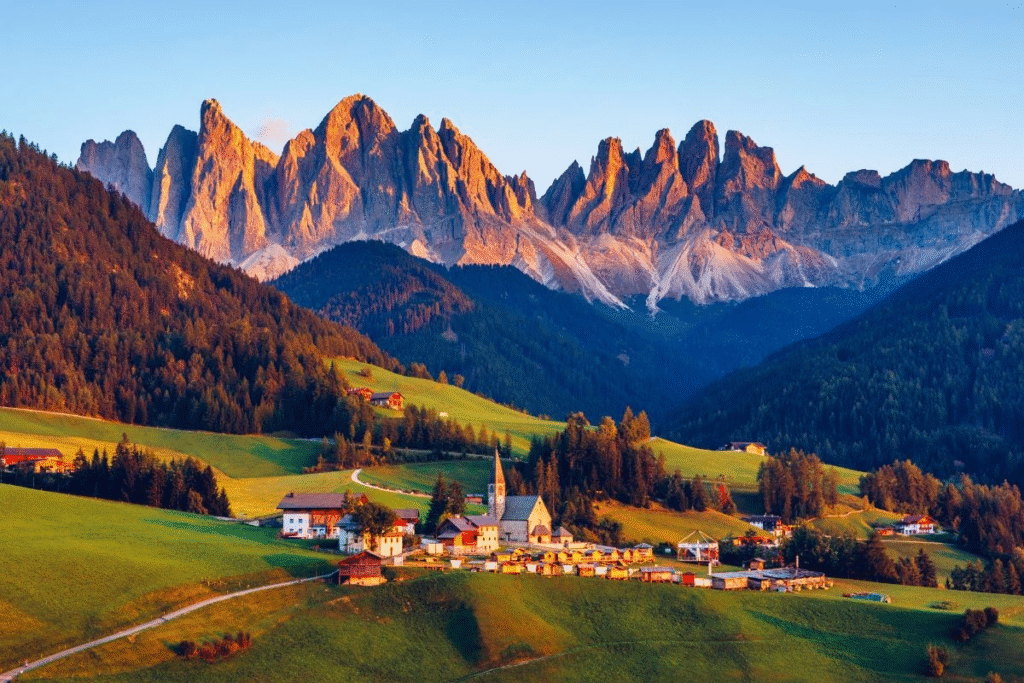
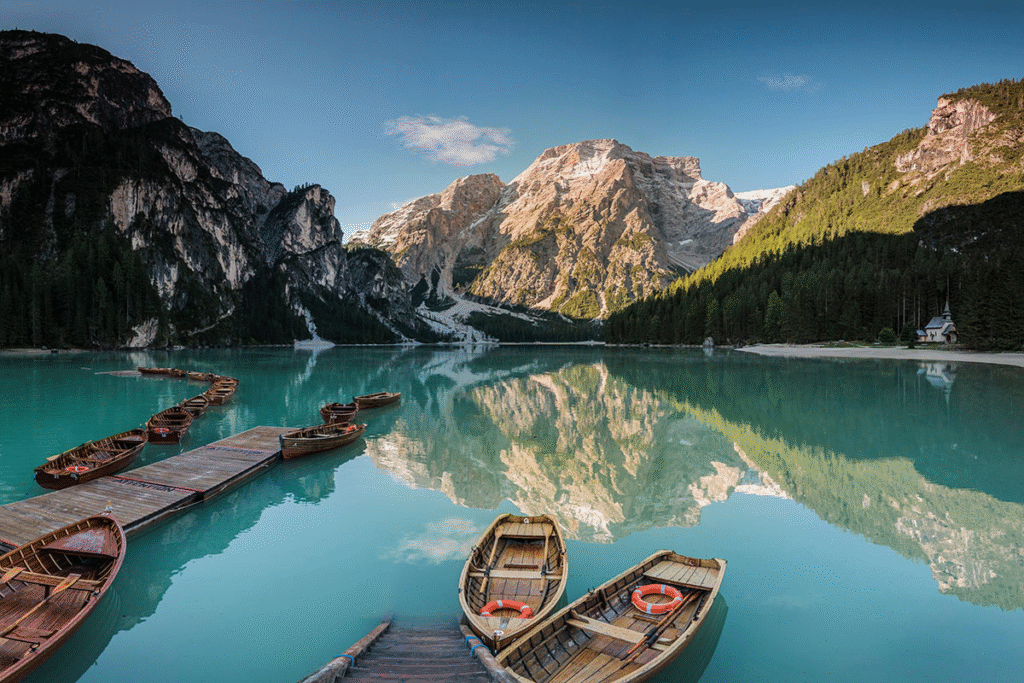
This is the best season for iconic hikes such as the loop around Tre Cime di Lavaredo or scenic walks near Lago di Braies. Long daylight hours allow you to start early and explore at a relaxed pace.
If you are planning a hut-to-hut trekking experience like Alta Via 1, summer is the safest and most practical time to do it.
For fewer crowds but similar conditions, aim for late June or early September rather than peak August.
Best for: Hikers, families, first-time visitors, adventure travelers.
Visiting the Dolomites in Autumn (October to November)
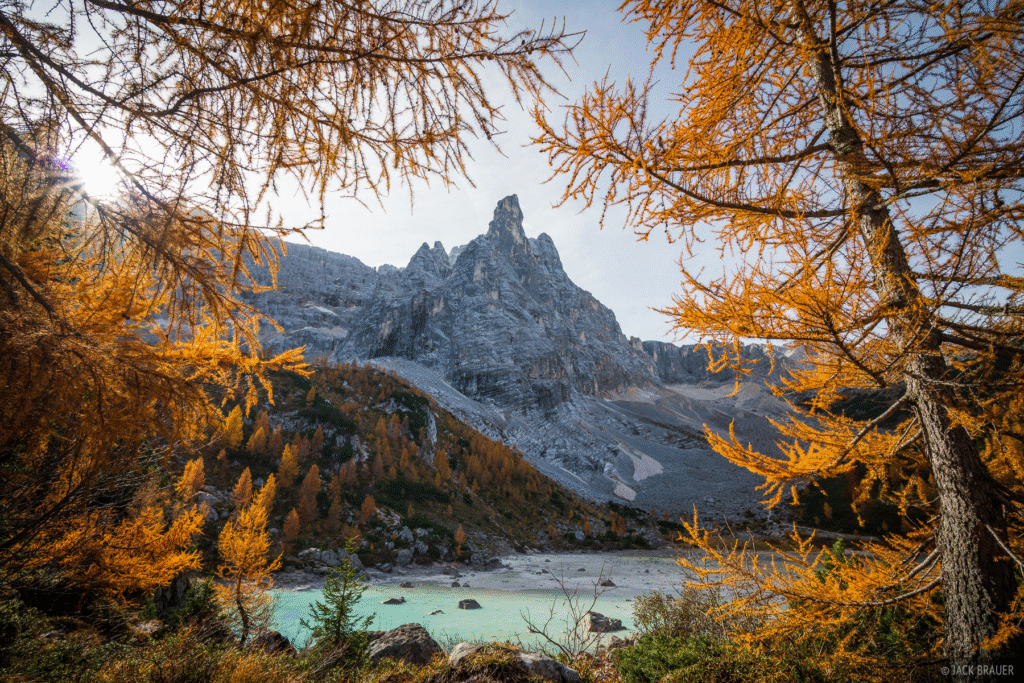
Autumn is often overlooked, but it offers a unique charm. The forests turn golden, the air becomes crisp, and the region feels more intimate.
What to Expect
- Cooler temperatures
- Fewer tourists
- Some cable cars and mountain huts closing for the season
- Beautiful fall colors, especially in valleys
This season is perfect for scenic drives through mountain passes and photography sessions during golden hour. Areas like Val di Funes are particularly stunning in autumn light.
However, high-altitude hiking may be limited as snow can return unexpectedly in late autumn.
Best for: Photographers, road trip lovers, travelers seeking solitude.
Visiting the Dolomites in Winter (December to March)
Winter transforms the Dolomites into a snow-covered paradise. The jagged peaks look even more dramatic against bright blue skies and white landscapes.
What to Expect
- Cold temperatures and snowy conditions
- World-class skiing and snowboarding
- Festive Christmas markets in nearby towns
- Quieter hiking scene but active ski resorts
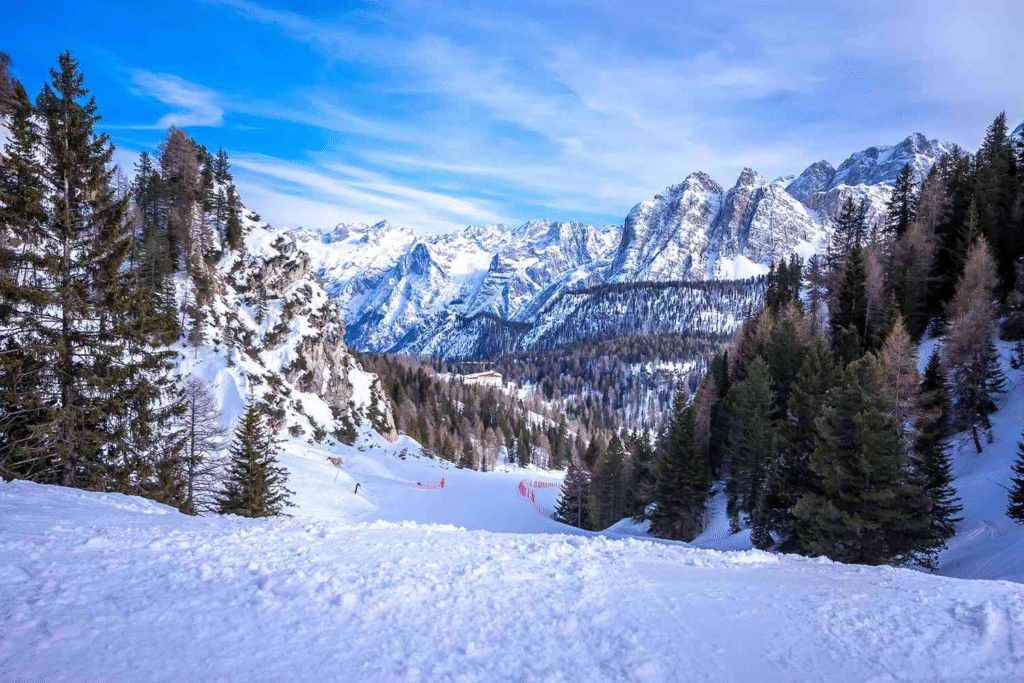
The Dolomites are part of the massive Dolomiti Superski area, making them one of Europe’s premier winter sports destinations. Resorts near Cortina d’Ampezzo and Val Gardena attract skiers from around the world.
If you are not into skiing, you can still enjoy snowshoeing, winter photography, and cozy evenings in mountain lodges.
Best for: Skiers, winter sports enthusiasts, festive travelers.
Quick Seasonal Comparison
- Best for hiking: June to September
- Best for skiing: December to March
- Best for fewer crowds: May and October
- Best for photography: Late September to October
- Best for families: July and early September
So, When Is the Best Time Overall?
If you want the most balanced experience, early September stands out. The weather remains pleasant, most trails are open, and the summer crowds begin to fade. You get the beauty of green landscapes with a calmer atmosphere.
That said, the Dolomites reward visitors in every season. Your ideal time depends on whether you dream of alpine meadows, autumn forests, or snow-covered peaks.
Final Thoughts
The Dolomites are not defined by a single season. They are defined by contrast. Light against rock. Snow against sky. Silence against wind.
Choosing the best time to visit is less about finding the “perfect” month and more about aligning your trip with your travel style. Do you want energetic hiking days, peaceful scenic drives, or snowy alpine adventures?
No matter when you arrive, the Dolomites have a way of slowing you down and reminding you why you travel in the first place.
Weather in mountainous regions can change quickly and unexpectedly. Trail accessibility, cable car operations, and accommodation availability vary by season. Always check official local sources, weather forecasts, and safety guidelines before planning activities in the Dolomites. Travelers are responsible for their own preparation and safety.
#Dolomites #BestTimeToVisit #DolomitesTravel #ItalyTravel #AlpineAdventure #HikingItaly #WinterInItaly #MountainEscape #TravelGuide #SeasonalTravel #Anslation #Carrerbook

What to Order at Starbucks: A Complete Beginner’s Guide
Walking into Starbucks for the first time can feel a bit confusing. The menu is…
San Francisco on a Budget: Affordable Travel Guide with Hidden Gems
San Francisco is often seen as one of the most expensive cities in the United…

Live Better Every Day with Simple Lifestyle Changes
In today’s fast-paced world, managing work, health, and personal life can feel overwhelming. Many people…

Unlock Your Inner Glow with Simple Beauty Tips
In today’s fast-moving world, beauty is often associated with expensive products, trending routines, and flawless…

Realme 16 5G: Everything You Need to Know Before Buying
The mid-range smartphone market in 2026 is more competitive than ever, with brands constantly introducing…

Angelina Jolie’s Iconic Black Dress Looks and How to Recreate Them
When it comes to timeless elegance and effortless sophistication, Angelina Jolie stands as one of…