
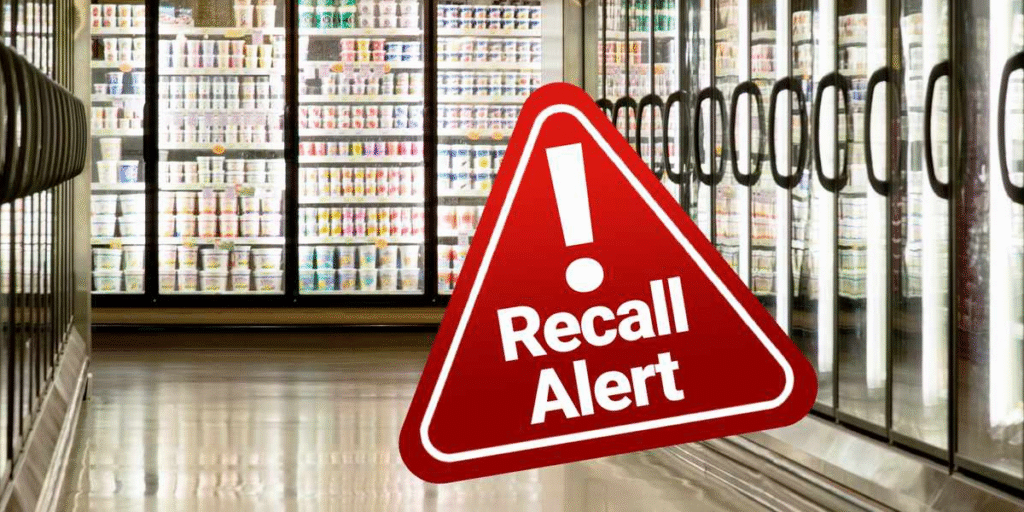
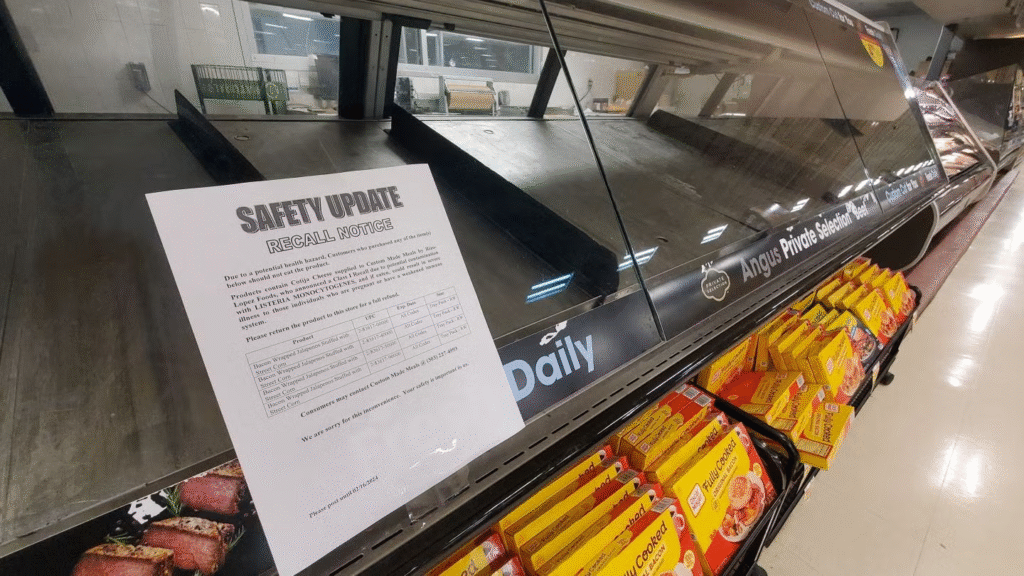
Food safety is something most of us rarely think about — until a recall makes headlines. One moment, you are stocking your fridge with everyday essentials. The next, you hear that a common grocery item has been pulled from shelves due to contamination concerns. It can feel alarming, especially when the product is something your family consumes regularly.
Food product recalls are issued to protect consumers from potential health risks. Understanding why they happen, how to respond, and what warning signs to watch for can help you stay informed and safe.
Why Food Product Recalls Happen

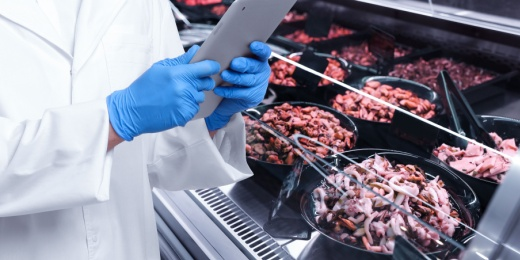
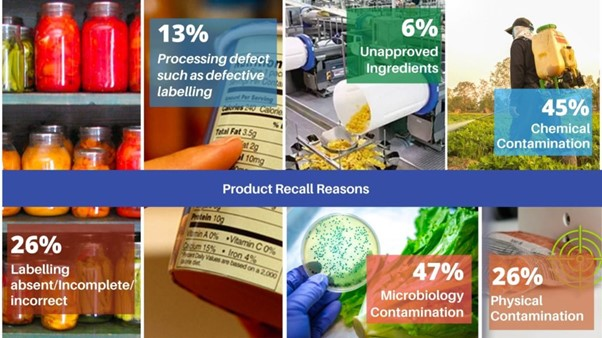
Food recalls typically occur when there is a risk of contamination or mislabeling that could harm consumers. Some of the most common causes include:
1. Bacterial Contamination
Harmful bacteria such as Salmonella, Listeria, or E. coli can contaminate food during processing, packaging, or distribution. These pathogens can cause serious illness, particularly in young children, elderly individuals, pregnant women, and those with weakened immune systems.
2. Undeclared Allergens
If a product contains allergens like peanuts, milk, soy, or wheat but fails to list them clearly on the label, it can trigger life-threatening allergic reactions.
3. Foreign Objects
Metal fragments, plastic pieces, or other foreign materials can accidentally enter food products during manufacturing.
4. Improper Storage or Handling
Temperature control failures during transportation or storage can lead to spoilage and contamination.
Recalls are often issued as a precautionary measure, even if only a small number of cases have been reported.
Food recall alerts are typically issued by government regulatory agencies and the food manufacturer. These announcements include:
- Product name and brand
- Package size
- Lot number or batch code
- Expiration date
- Distribution locations
- Reason for recall
This information helps consumers quickly identify whether their purchased product is affected.
What to Do If You Have a Recalled Food Product
If you discover that a food item i
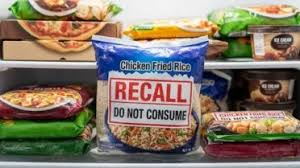
n your home has been recalled, take these steps immediately:
Stop Consuming the Product
Do not taste or test the item, even if it appears normal. Contamination is not always visible.
Check the Details Carefully
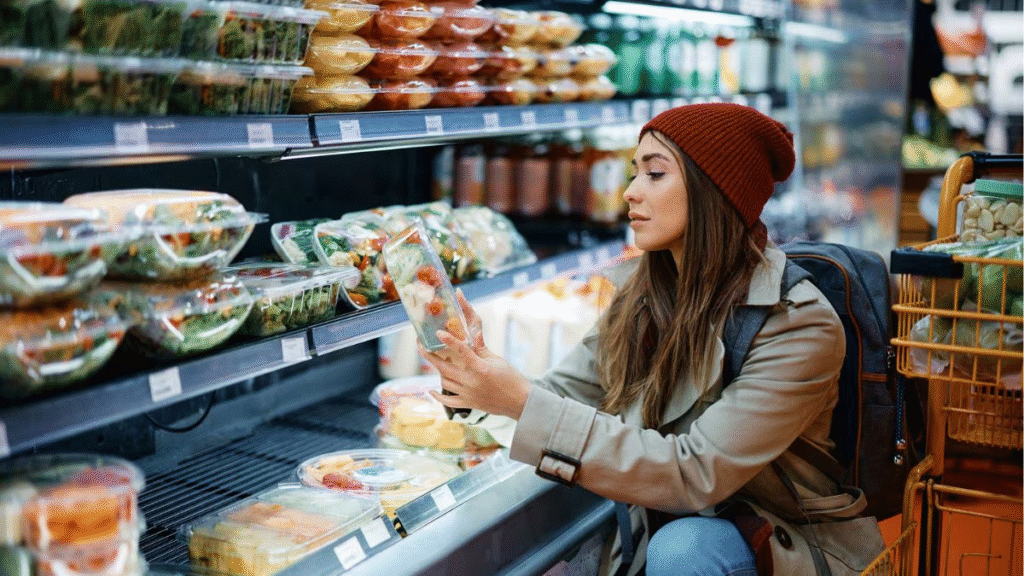
Compare the lot number, expiration date, and packaging with the recall notice to confirm whether your product is included.
Dispose of or Return It
Follow the instructions provided in the recall announcement. Some products should be thrown away, while others can be returned to the store for a refund.
Clean and Sanitize
If the recalled item was stored in your refrigerator or pantry, clean the surrounding area to prevent cross-contamination.
Symptoms to Watch For
If you or a family member has consumed a recalled product, monitor for symptoms such as:
- Nausea or vomiting
- Diarrhea
- Fever
- Stomach cramps
- Fatigue
Symptoms can appear within hours or several days after exposure. Seek medical attention promptly if symptoms are severe or persistent.
How to Stay Updated on Food Recalls
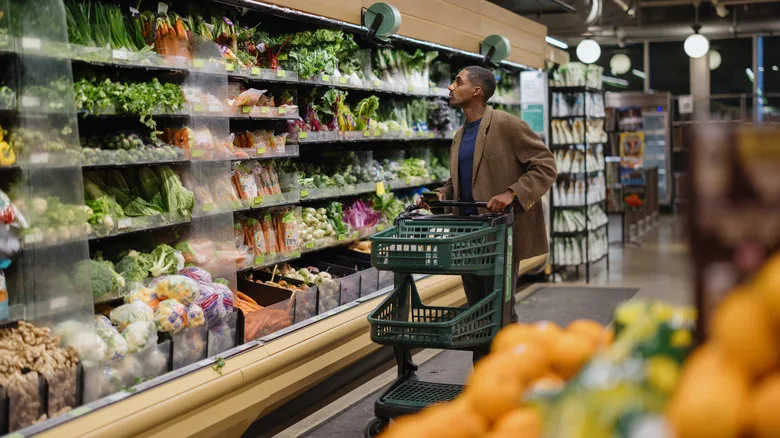
Staying informed is key to protecting your household. Consider:
- Checking official government food safety websites regularly
- Subscribing to recall alert email notifications
- Following reputable news outlets
- Registering for alerts from major grocery chains
Quick awareness allows you to act before harm occurs.
Are Food Recalls Becoming More Common?
With improved testing methods and stricter safety regulations, contamination is often detected more quickly than in the past. Increased reporting does not necessarily mean food is less safe — in many cases, it reflects stronger monitoring systems and faster communication channels.
While no system is perfect, modern food safety oversight is designed to identify problems early and minimize public risk.
Protecting Your Family Going Forward
While recalls cannot always be prevented, you can reduce risk by:
- Washing hands and surfaces frequently
- Cooking food to recommended temperatures
- Avoiding cross-contamination between raw and cooked foods
- Storing perishable items properly
- Paying close attention to expiration dates
These everyday precautions add an extra layer of protection.
Final Thought
A food product recall alert is not meant to create panic — it is meant to prevent harm. Acting quickly, checking product details carefully, and following official instructions can protect you and your loved ones from unnecessary health risks. Staying informed empowers you to make safer choices at the grocery store and at home.
Matt Brittin & BBC: A Powerful New Era?
The question dominating UK media circles right now is whether Matt Brittin — a former…

Food safety is a shared responsibility between manufacturers, regulators, and consumers. Awareness is your strongest defense.
Disclaimer
This article is for informational purposes only and does not constitute medical or legal advice. If you believe you have consumed a contaminated food product or are experiencing symptoms, seek guidance from a qualified healthcare professional. For official recall information, refer to your country’s food safety regulatory authority.
#FoodRecall #FoodSafety #RecallAlert #ConsumerProtection #HealthWarning #PublicSafety #Anslation #carrerbook