
Intermittent fasting has become one of the most talked-about approaches to weight loss in recent years. From fitness influencers to health experts, many people claim it is the key to burning fat faster and improving overall health. But does intermittent fasting truly work for weight loss, or is it just another diet trend?
In this complete review, we’ll take a closer look at what intermittent fasting really is, how it works, its benefits, potential drawbacks, and whether it might be right for you.
What Is Intermittent Fasting?
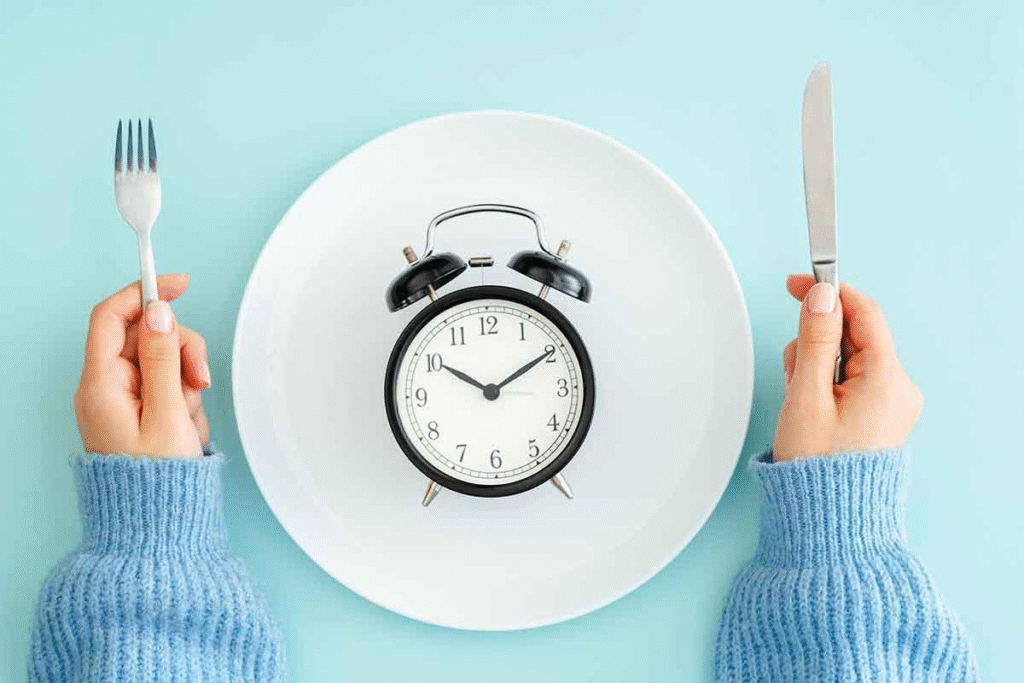
Intermittent fasting (IF) is not a traditional diet that focuses on what you eat. Instead, it focuses on when you eat. The idea is simple: you cycle between periods of eating and fasting.
Some of the most popular methods include:
- Alternate-Day Fasting – Fast every other day or limit calories heavily on fasting days.
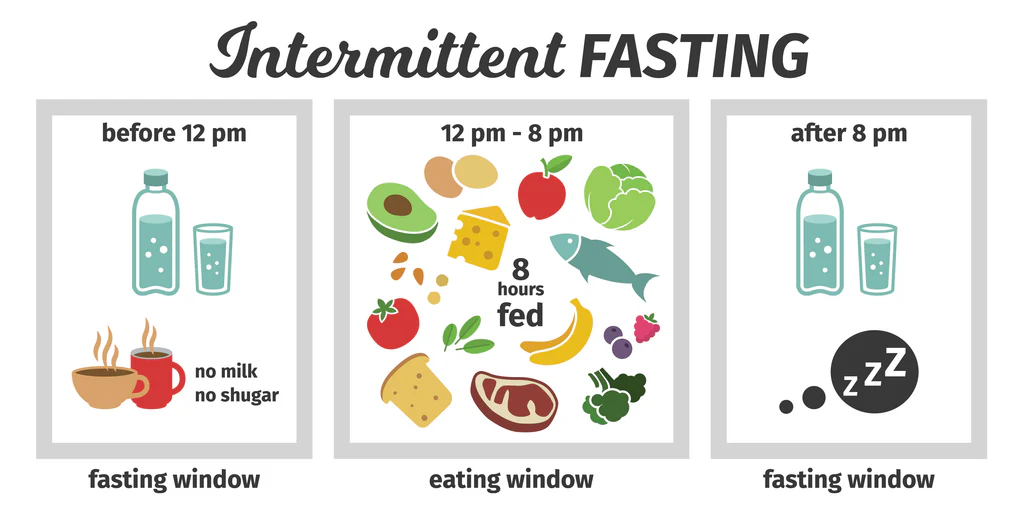
- 16:8 Method – Fast for 16 hours and eat during an 8-hour window.
- 5:2 Diet – Eat normally for five days and reduce calories significantly for two days.
Unlike strict meal plans, intermittent fasting gives flexibility in food choices, though healthy eating still plays a major role in results.
How Intermittent Fasting Supports Weight Loss
Intermittent fasting works for weight loss in a few key ways:
1. Reduces Overall Calorie Intake
When you limit your eating window, you naturally reduce the number of meals and snacks consumed. This often leads to fewer calories without strict tracking.
2. Boosts Fat Burning
During fasting periods, insulin levels drop. Lower insulin allows your body to access stored fat more easily and use it as fuel.
3. Improves Hormonal Function
Fasting can increase human growth hormone (HGH), which supports fat loss and muscle preservation.
4. Encourages Mindful Eating
Many people find that intermittent fasting reduces mindless snacking and emotional eating.
Pros of Intermittent Fasting for Weight Loss
✔ Simple and Easy to Follow
There’s no need to count every calorie or eliminate entire food groups. You mainly focus on timing.
✔ Flexible Lifestyle Approach
You can adjust fasting windows to fit your schedule. Many people skip breakfast and eat lunch and dinner comfortably.
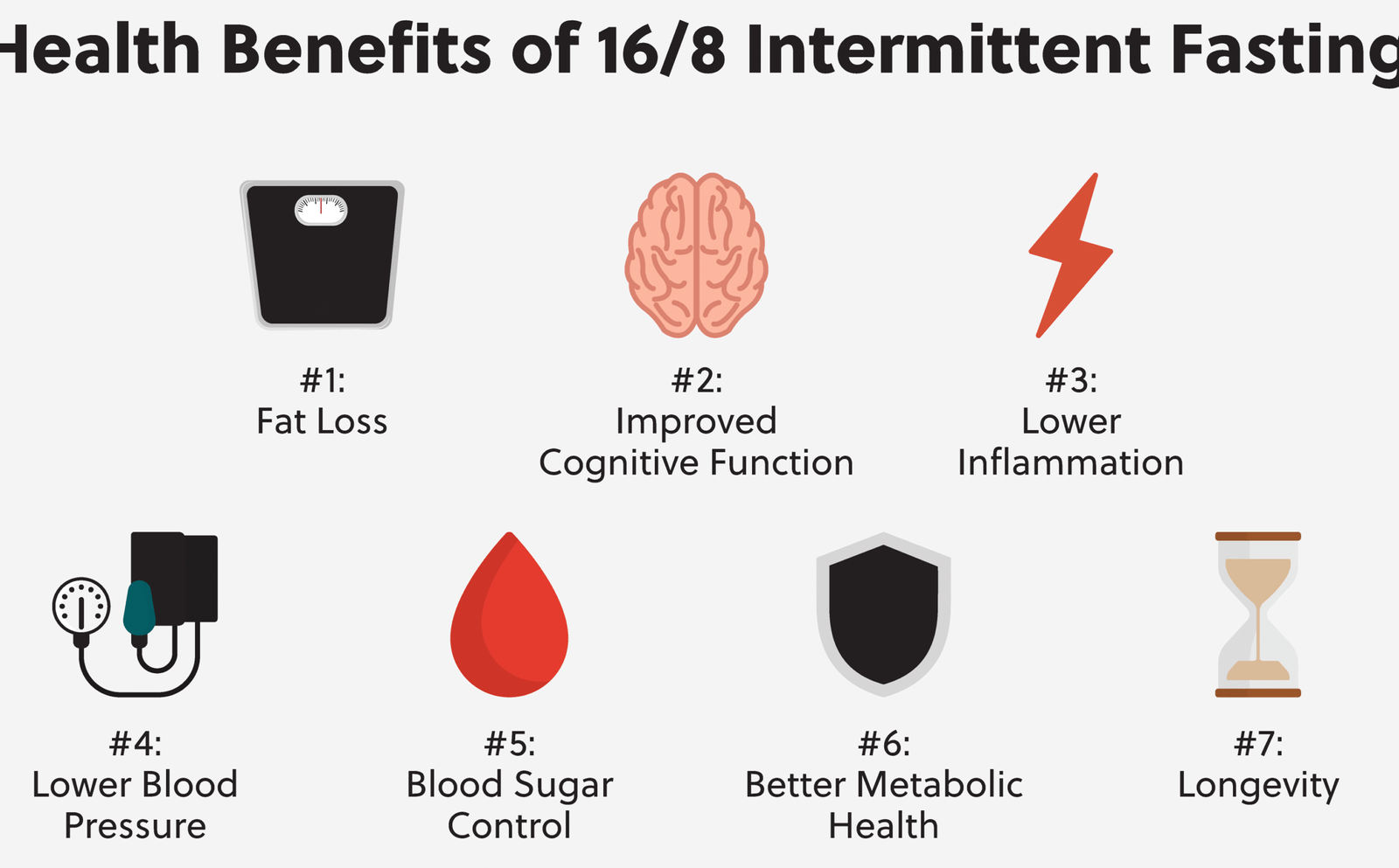
✔ May Improve Metabolic Health
Research suggests intermittent fasting may help improve insulin sensitivity, reduce inflammation, and support heart health.
✔ No Special Foods Required
You don’t need expensive supplements or special meal plans.
✔ Sustainable for Some People
Because it’s less restrictive than many diets, some individuals find it easier to maintain long term.
Cons of Intermittent Fasting
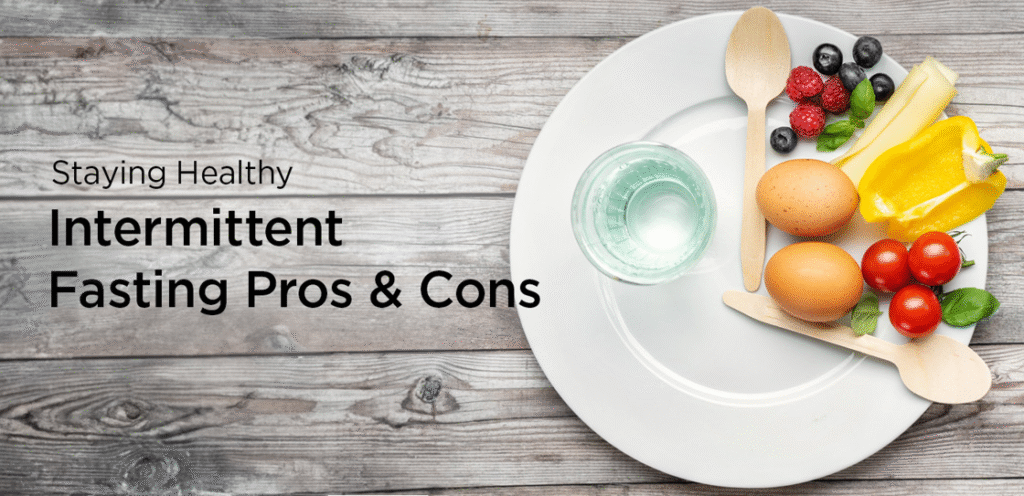
✖ Hunger and Irritability in the Beginning
The first few weeks can be challenging. Headaches, fatigue, and irritability are common as your body adjusts.
✖ Not Suitable for Everyone
People with medical conditions, pregnant women, those with a history of eating disorders, or individuals with blood sugar issues should approach fasting cautiously.
✖ Risk of Overeating
Some people compensate for fasting by overeating during eating windows, which can cancel out weight loss benefits.
✖ Social Challenges
Family dinners, social gatherings, and celebrations can sometimes conflict with fasting schedules.
✖ May Affect Energy Levels
If not managed properly, fasting can reduce workout performance or daily productivity.
What Results Can You Expect?
Weight loss results vary from person to person. Some individuals report losing 1–2 pounds per week, especially when combining intermittent fasting with balanced nutrition and regular exercise.
However, intermittent fasting is not a magic solution. If you consistently overeat high-calorie foods during eating periods, weight loss may stall.
The key factor remains calorie balance and food quality.
Tips for Success with Intermittent Fasting
- Start gradually. Try a 12-hour fasting window before moving to 16 hours.
- Stay hydrated. Water, black coffee, and herbal tea can help manage hunger.
- Prioritize protein and fiber during meals.
- Avoid binge eating during your eating window.
- Combine fasting with strength training for better body composition.
Is Intermittent Fasting Worth Trying?

Intermittent fasting can be an effective and practical weight loss tool for many people. It simplifies eating patterns and may improve metabolic health. However, it is not superior to all other diets. The best weight loss strategy is the one you can maintain consistently.
If you enjoy structured eating times and feel comfortable skipping meals, intermittent fasting may suit you well. If frequent meals help you feel energized and balanced, another approach might be better.
Chimelong Water Park vs Other Water Parks: Which Is Better?
When it comes to unforgettable water adventures, few places generate as much excitement as Chimelong…

Final Thought
Intermittent fasting is not a quick fix, but it can be a powerful strategy when used correctly. Its real strength lies in simplicity and sustainability. Instead of focusing on extreme restrictions, it encourages mindful eating and better control over daily habits. Before starting, consider your lifestyle, health history, and long-term goals. Sustainable weight loss always comes from consistency, not shortcuts.
Disclaimer
This article is for informational purposes only and does not constitute medical advice. Always consult a qualified healthcare professional before starting any diet or fasting program, especially if you have underlying health conditions or are taking medication.
#IntermittentFasting #WeightLossReview #HealthyLifestyle #FatLossJourney #DietTips #FitnessGoals #Anslation #Carrerbook