
Food safety alerts can quickly capture public attention, especially when they involve everyday products found in many households. Recently, the U.S. Food and Drug Administration issued an important recall involving certain cream cheese products. The announcement raised concerns among consumers and sparked questions about food safety, product contamination, and what people should do if they purchased affected items.
Understanding the details behind this recall can help consumers make informed decisions and protect their health. From the cause of the recall to the steps recommended by food safety authorities, here is everything you need to know.
Why the Cream Cheese Recall Was Issued
The recall was initiated after tests revealed possible contamination with Listeria monocytogenes, a type of bacteria that can cause serious foodborne illness. The affected products were produced by the company Made Fresh Salads and distributed to stores and distributors in parts of New York City.
According to the recall notice, routine testing found traces of the bacteria on equipment used during the manufacturing process. Specifically, a part of the mixer used to produce the cream cheese was found to be contaminated, prompting the company to stop using the equipment and initiate the recall.
The FDA classified the situation as a Class I recall, which is the agency’s most serious level. This classification indicates that consuming the contaminated product could potentially cause serious health problems or even death in extreme cases.
Although no illnesses were reported at the time of the recall announcement, the warning serves as an important precaution to prevent potential health risks.
Which Cream Cheese Products Were Affected
The recall involves multiple flavors of cream cheese packaged in 5-pound white plastic tubs labeled under the Made Fresh Salads brand. These products were primarily distributed to retailers and food distributors in the New York City area, including Brooklyn, Queens, and the Bronx.
More than a dozen varieties were included in the recall, such as:
- Tofu Whipped
- Apple Cinnamon Cream Cheese
- Blueberry Cream Cheese
- Garlic & Herb Cream Cheese
- Jalapeño Cream Cheese
- Jalapeño Cheddar Cream Cheese
- Lox Cream Cheese
- Scallion Cream Cheese
- Strawberry Cream Cheese
- Vegetable Cream Cheese
- Sundried Tomato Cream Cheese
- Walnut Raisin Cream Cheese
- Whipped Cream Cheese
These products carried expiration dates through February 27, 2026, and consumers were advised to check the labels carefully if they had purchased cream cheese from the affected region.
Understanding the Risk of Listeria
Listeria contamination is a serious concern in the food industry. The bacteria responsible for the infection, Listeria monocytogenes, can survive in cold environments such as refrigerators and may contaminate food during processing.
For healthy individuals, symptoms of infection may include fever, headache, nausea, muscle aches, and digestive issues. However, certain groups are at a higher risk of severe complications. These include:
- Pregnant women
- Older adults
- Young children
- People with weakened immune systems
In vulnerable individuals, the infection can lead to more severe outcomes, including complications during pregnancy or life-threatening illness.
Because of these risks, food safety agencies treat potential Listeria contamination very seriously and often act quickly to remove affected products from the market.
What Consumers Should Do
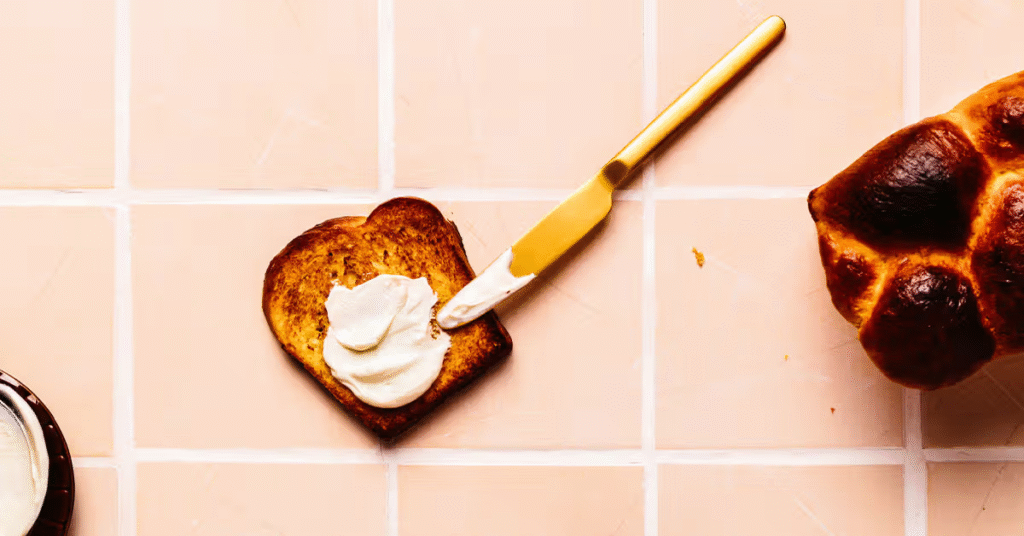
If you believe you may have purchased cream cheese included in the recall, there are several important steps to follow.
First, check the packaging carefully. Look for the brand name, product type, and expiration date to determine whether your item matches the recalled products.
If you find a match, do not consume the product. The safest option is to either discard it or return it to the store where it was purchased. Many retailers provide refunds for recalled products.
It is also recommended to thoroughly clean any surfaces, containers, or utensils that may have come into contact with the recalled product. This helps prevent the potential spread of bacteria.
Finally, if you believe you may have consumed a contaminated product and begin experiencing symptoms such as fever or unusual illness, it is advisable to consult a healthcare professional.
How Food Recalls Protect Public Health
Food recalls are an important part of modern food safety systems. Agencies like the FDA monitor food production, investigate contamination risks, and work with companies to remove unsafe products from the market.
When a recall occurs, it does not necessarily mean that people will become sick. In many cases, recalls are issued as a precaution after potential contamination is discovered during routine inspections or testing.
By identifying problems early and notifying the public quickly, regulators and food manufacturers help prevent widespread illness and maintain trust in the food supply.
Preventing Food Safety Risks at Home
While manufacturers and regulators play a major role in food safety, consumers can also take simple steps to reduce risks in their kitchens.
Proper refrigeration is essential for dairy products like cream cheese. Always store them at recommended temperatures and avoid leaving them at room temperature for extended periods.
Additionally, check product labels and expiration dates regularly. Staying aware of recall announcements and food safety alerts can also help protect you and your family.
Small precautions such as washing hands, cleaning kitchen surfaces, and storing foods properly can make a significant difference in preventing foodborne illness.
Chimelong Water Park vs Other Water Parks: Which Is Better?
When it comes to unforgettable water adventures, few places generate as much excitement as Chimelong…

#CreamCheeseRecall #FoodSafety #FDARecall #FoodSafetyAlert #ConsumerHealth #ListeriaAwareness #FoodIndustry #ProductRecall #Anslation #carrerbook