

Chocolate might seem like a small, everyday purchase, but for retailers, it represents a surprisingly high-value product category. Over the past few years, many supermarkets and convenience stores have reported an increase in chocolate theft. Lightweight, easy to conceal, and consistently in demand, chocolate has become a frequent target for shoplifters. As a result, retailers are turning to anti-theft technology to protect their profits without disrupting the shopping experience.
The Rising Cost of Retail Theft
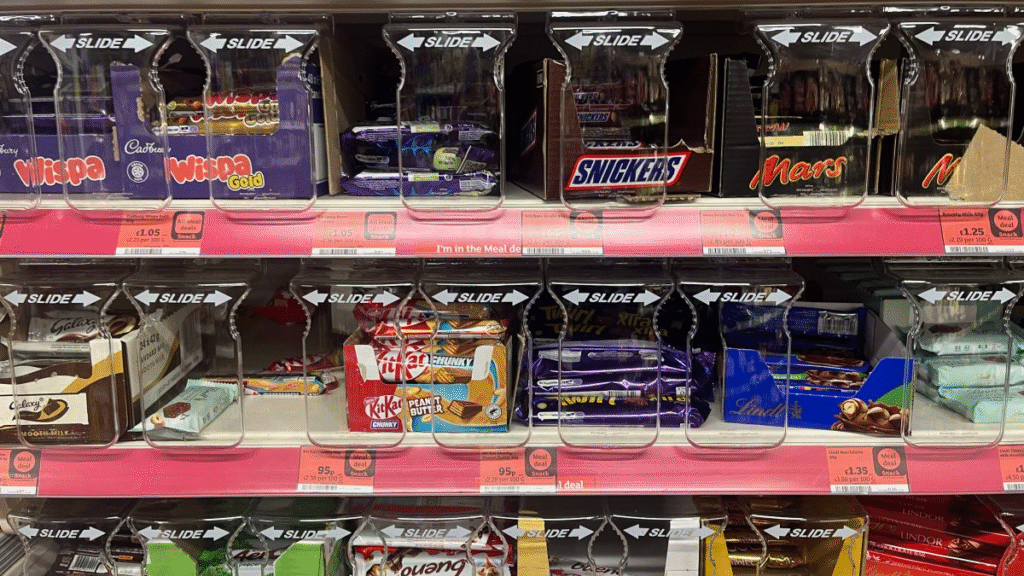

Retail theft has grown into a significant challenge for stores worldwide. When items like chocolate are stolen regularly, the financial impact adds up quickly. High cocoa prices, supply chain pressures, and inflation have already pushed up chocolate prices. This makes each lost item more costly for businesses.
Unlike luxury goods, chocolate is often displayed in open aisles, making it accessible. Retailers now face the difficult task of balancing open merchandising with loss prevention. The solution increasingly lies in smarter security technology rather than simply locking products away.
Security Tags and Smart Packaging
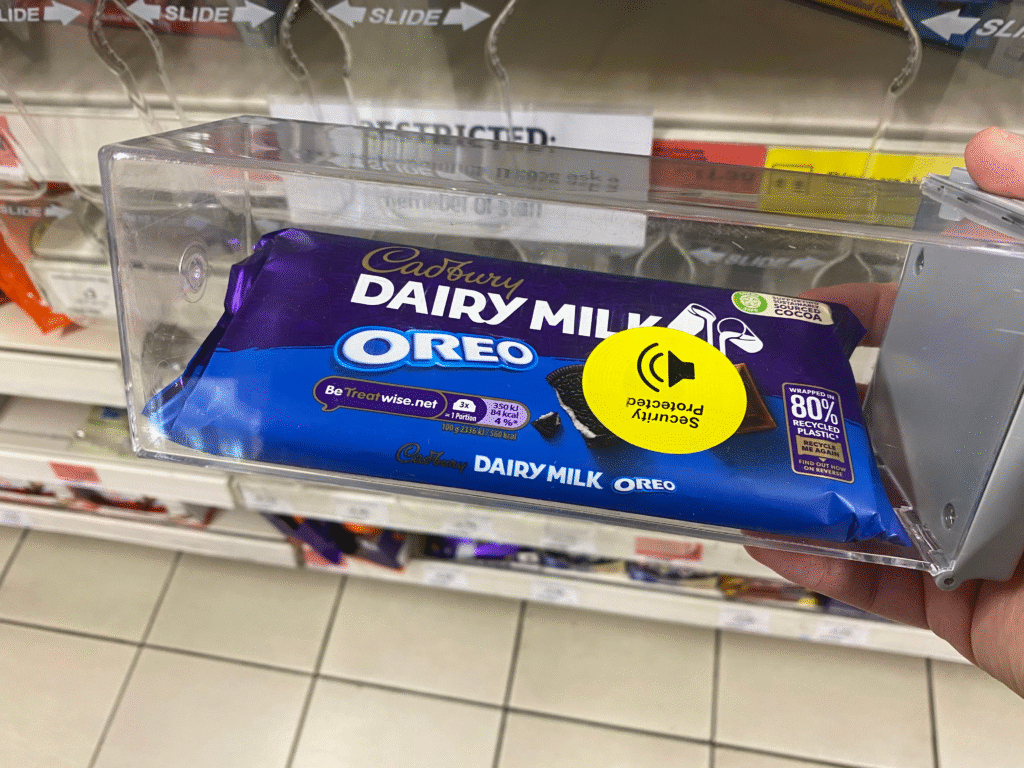
One of the most noticeable changes in some stores is the addition of security tags on larger chocolate boxes and multipacks. Electronic Article Surveillance (EAS) tags trigger alarms if items leave the store without being deactivated at checkout. While traditionally used for clothing and electronics, these tags are now appearing on premium food items.
Some manufacturers are also experimenting with smart packaging designs that make tampering more difficult. Although these measures may seem extreme for confectionery, they reflect how valuable the category has become to retailers.
Locked Displays and Controlled Access
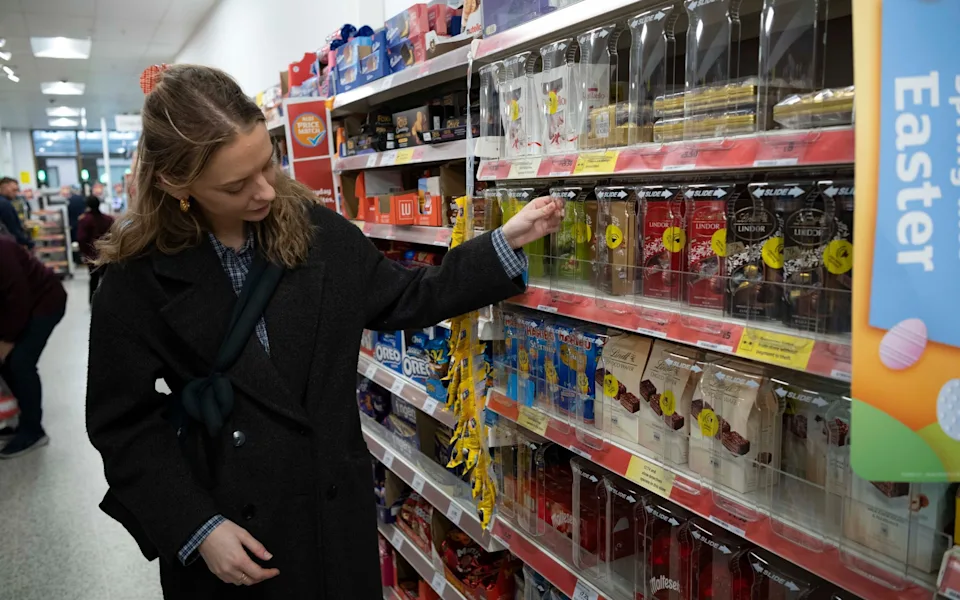
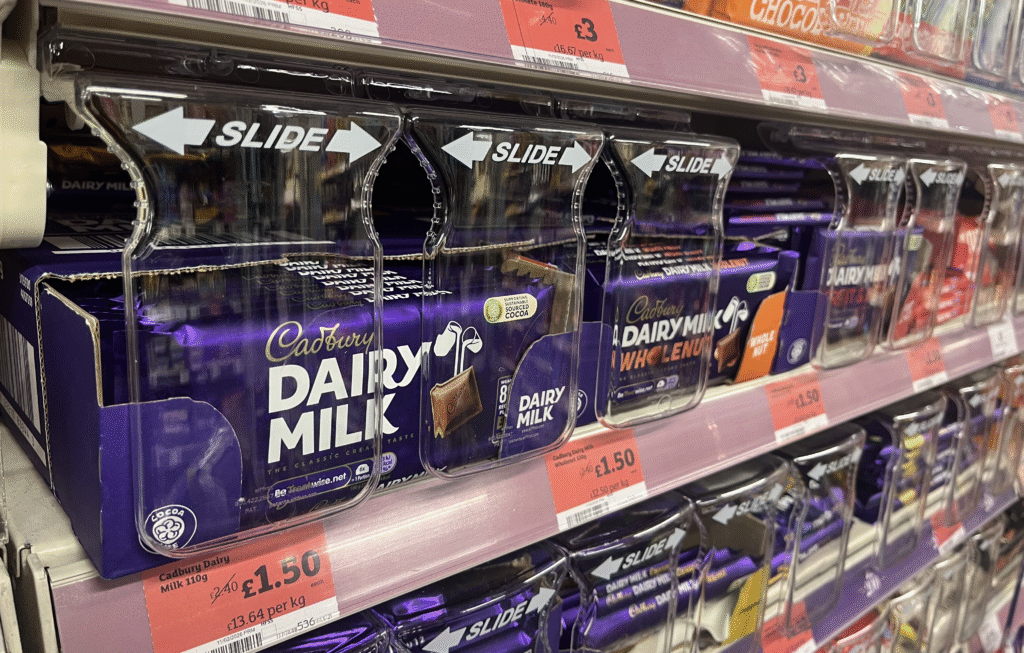
In certain high-theft locations, stores have placed premium chocolate products in locked cabinets. Customers must request assistance to access them. While this approach can reduce theft, it also risks inconveniencing shoppers. Retailers therefore use this method selectively, often only for high-value gift boxes or specialty brands.
The goal is not to create barriers for honest customers but to reduce repeated losses in specific problem areas.
CCTV and AI-Powered Surveillance
Modern surveillance systems have evolved significantly. Many retailers now rely on high-definition CCTV combined with artificial intelligence to monitor suspicious behavior. AI tools can identify unusual movement patterns, repeated visits to certain aisles, or attempts to conceal items.
Unlike older systems that simply recorded footage, today’s technology can alert staff in real time. This proactive approach helps prevent theft before it happens rather than only documenting it afterward.
Data Analytics and Inventory Monitoring



Another powerful tool in chocolate anti-theft strategy is data analytics. Retailers track sales patterns and inventory levels closely. If stock consistently disappears without corresponding sales data, managers can identify shrinkage hotspots.
Advanced inventory systems also use real-time tracking to flag discrepancies quickly. This allows store teams to respond immediately, whether by adjusting display placement, increasing monitoring, or refining security measures.
Balancing Security With Customer Experience
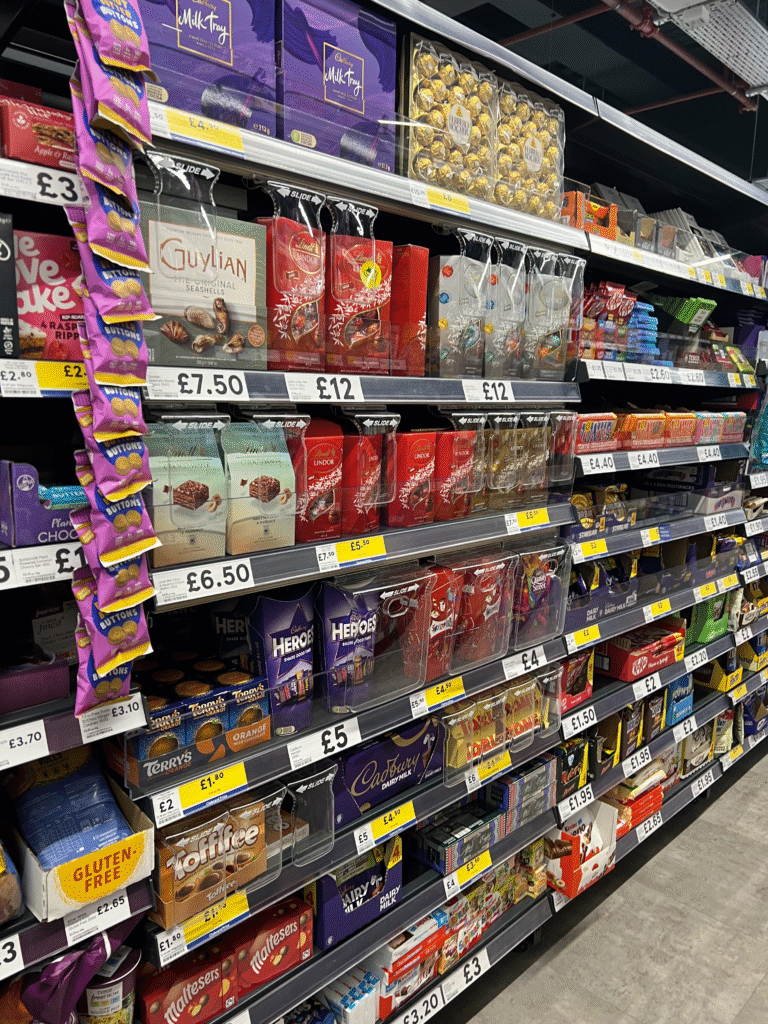
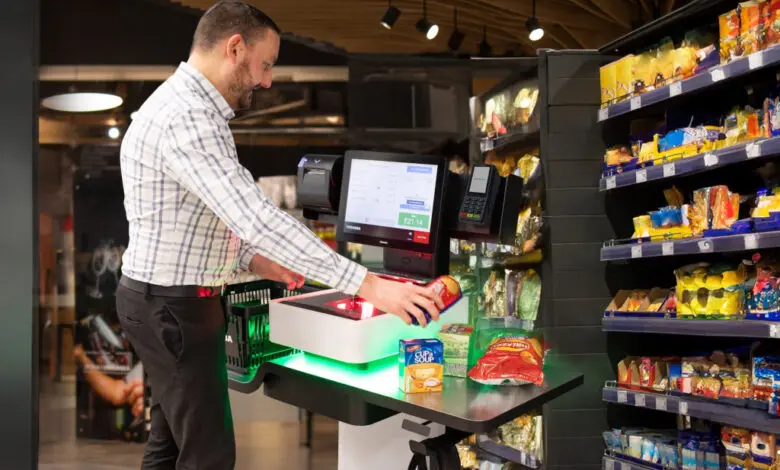
While anti-theft technology is important, retailers must also consider customer satisfaction. Overly restrictive measures can frustrate shoppers and reduce impulse purchases. Chocolate is often a spontaneous buy, placed near checkout counters or in high-traffic areas.
For this reason, many stores prefer discreet solutions such as enhanced surveillance and data tracking rather than visible barriers. The ideal anti-theft strategy protects profits while keeping the shopping environment welcoming and convenient.
The Future of Food Retail Security


As technology continues to evolve, anti-theft measures will likely become more integrated and less noticeable. AI-powered systems, smart shelves, and automated alerts may replace physical tags in many locations. Retailers are investing in innovation that minimizes losses without compromising accessibility.
Chocolate anti-theft technology reflects a broader trend in retail security. Even everyday grocery items now require sophisticated protection strategies in an increasingly challenging retail environment.
Final Thought
Chocolate may be sweet, but for retailers, protecting it is serious business. Rising costs and retail theft have pushed stores to adopt smarter, more strategic security measures. The challenge moving forward is maintaining trust and convenience for customers while safeguarding profits. In 2026 and beyond, technology will continue shaping how even the simplest products are protected on store shelves.
Matt Brittin & BBC: A Powerful New Era?
The question dominating UK media circles right now is whether Matt Brittin — a former…

Disclaimer
This article is intended for informational purposes only and reflects general retail industry trends. Anti-theft strategies may vary depending on store policies, regional regulations, and individual business decisions.
#ChocolateSecurity #RetailTechnology #AntiTheftSolutions #RetailIndustry #StoreSecurity #LossPrevention #RetailInnovation #Anslation #Carrerbook