
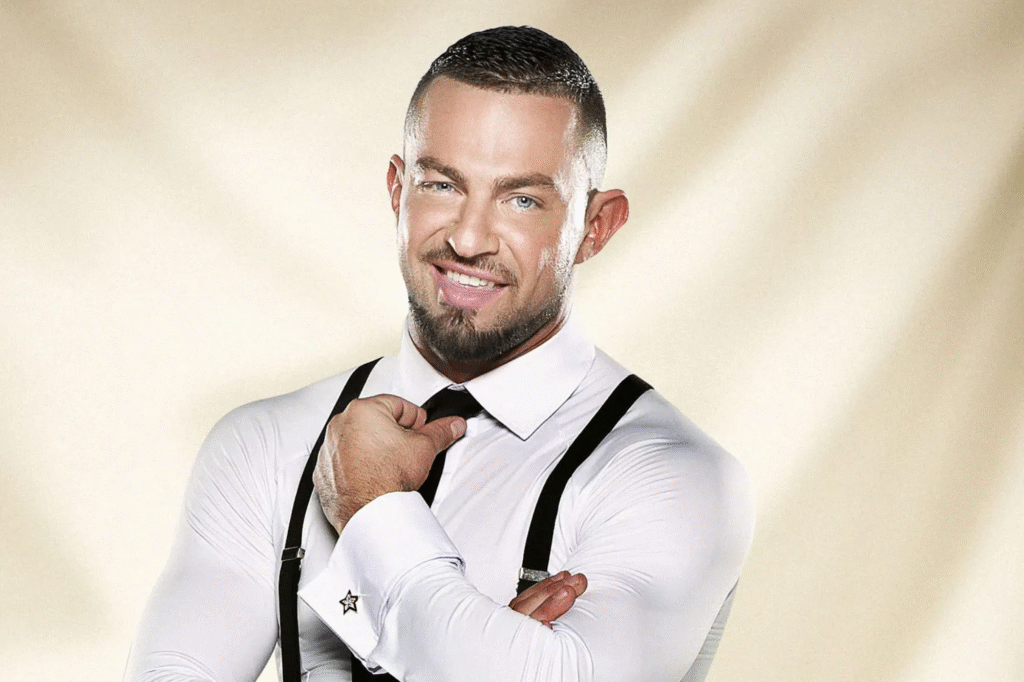
The death of former Strictly Come Dancing professional Robin Windsor has prompted deep reflection across the UK entertainment industry. Behind the sequins, applause and prime-time glamour, the inquest into Windsor’s passing has revealed a far more complex and painful story — one shaped by rejection, pressure, financial strain and emotional vulnerability.
Windsor, 44, was found dead in a hotel room in Shepherd’s Bush, west London, in February 2024. As details emerged during proceedings at West London Coroner’s Court, a picture developed of a talented performer who struggled deeply in the years after leaving the BBC’s flagship dance programme.
His story has reignited difficult but necessary conversations about mental health support, career instability and the psychological cost of life in the spotlight.
From Ballroom Star to Household Name
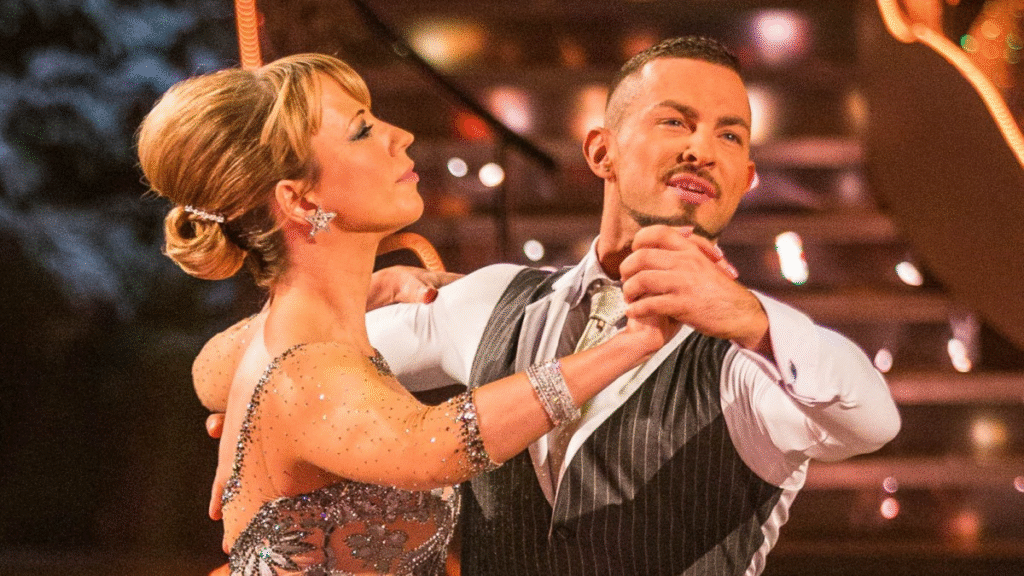
Robin Windsor joined Strictly Come Dancing in 2010 and quickly became one of the show’s most recognisable professional dancers. With his commanding stage presence and vibrant Latin routines, he built strong partnerships with celebrities including Patsy Kensit, Anita Dobson, Lisa Riley and Deborah Meaden.
For viewers, he represented charisma and confidence. Week after week, he performed under bright studio lights, cheered on by millions. But like many performers in high-profile entertainment roles, the stability of success can be fragile.
After suffering a back injury that prevented him from performing in the 2014 series, Windsor was later dropped from the professional lineup in 2015. Although he returned briefly for a Christmas special appearance, his regular role on the show had ended.
For many entertainers, such a shift is more than a contract change — it can feel like a sudden loss of identity.
“His Glow Had Gone”: Emotional Testimony in Court
At the inquest, actress Lisa Riley — Windsor’s dance partner in 2012 — delivered an emotional written statement describing their close bond. She said that during their time together on Strictly, they were “literally joined at the hip.”
“To say we hit it off was an understatement,” she said.
“Robin was my rock.”
Riley explained that she had recently lost her mother during that period and was in a vulnerable emotional state herself. Windsor, she said, offered strength and support. However, she told the court that after he was dropped from the show, she noticed a significant change in him.
“From this moment, on to the time of his death, he kept slipping deeper and deeper into depression,” she said.
“His glow had gone.” Her statement suggested that leaving Strictly marked a turning point in his emotional wellbeing.
The Weight of Rejection in the Public Eye
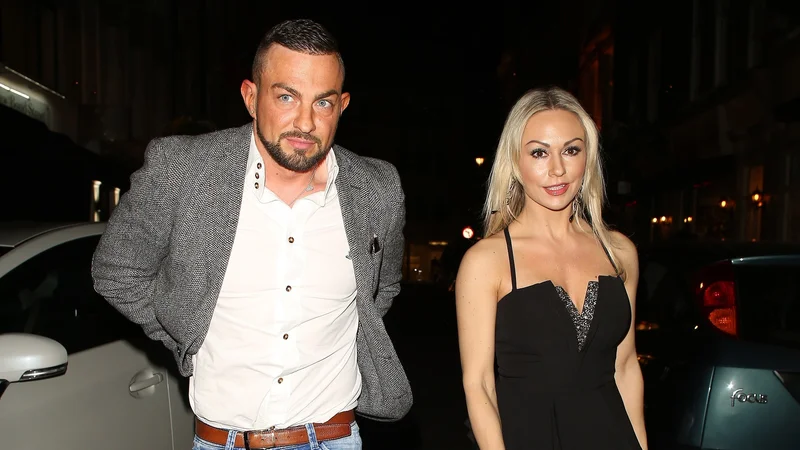
In competitive industries like television and dance, rejection can carry a heavy emotional toll. For performers whose identity and self-worth are closely linked to public success, career setbacks may intensify existing insecurities.
According to testimony, Windsor struggled with feelings of not being “good enough” and battled imposter syndrome. Despite years of national exposure and professional achievement, he reportedly questioned his own value and place within the industry.
The entertainment world often demands constant reinvention. When opportunities slow down, many performers face:
- Financial uncertainty
- Public comparison to peers
- Pressure to maintain physical standards
- Loss of daily structure and purpose
- Fear of fading relevance
For Windsor, these pressures appear to have compounded over time.
Financial Difficulties and Personal Struggles
The inquest heard that Windsor faced significant financial challenges in the years before his death. He was described as being “drowning in debts” and sometimes spending “frantically” on designer items he could not afford.
Financial stress can heighten emotional strain, particularly in freelance industries where income fluctuates dramatically. Without long-term contracts or predictable earnings, many performers navigate instability behind the scenes.
Testimony also referenced body image concerns and steroid use, which, combined with alcohol, reportedly placed him in a “bad place” at times. These details highlighted how mental health, financial stress and self-image issues can intertwine in complex and damaging ways.
A Wider Issue in British Entertainment
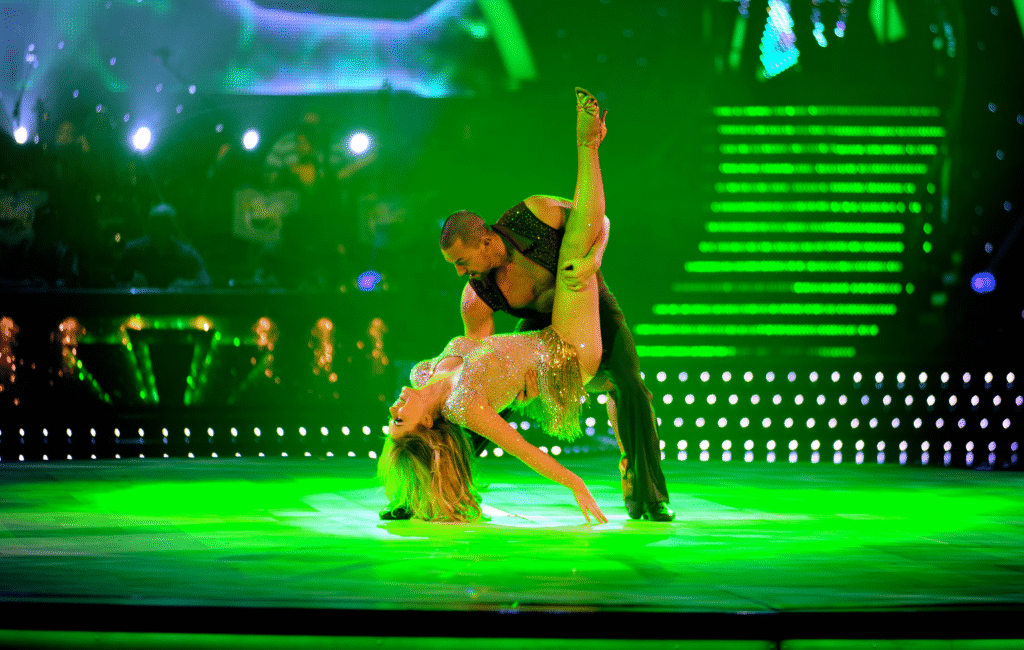
Windsor’s death has prompted broader reflection within the UK television and performance sector. While flagship shows provide fame and visibility, there is growing discussion about what happens when the spotlight moves on.
Mental health advocates argue that industries built around public performance must consider:
- Better post-contract support systems
- Access to counselling services
- Financial planning guidance
- Career transition assistance
- Open dialogue around depression and vulnerability
The entertainment world thrives on visibility, but it often struggles to address what happens in private.
Remembering the Man Behind the Performer
Those who worked with Windsor remember not only his talent but also his warmth and generosity. On-screen, he projected confidence and charisma. Off-screen, friends described someone sensitive and deeply emotional.
For fans of Strictly Come Dancing, Windsor represents a vibrant chapter in the show’s history. His performances remain part of the programme’s legacy, and his passing has been felt deeply by colleagues and viewers alike.
While the official findings of the inquest remain with the coroner, the testimony shared has brought renewed attention to the hidden pressures of fame.
Rejection, Pressure — and Reflection
Robin Windsor’s story is not simply about one man’s career. It reflects a broader truth about life in the spotlight: success can be dazzling, but it can also be fragile. Rejection can feel devastating. Pressure can be relentless. And tragedy can unfold quietly behind applause.
His death has become a moment of reflection for the UK entertainment community — a reminder that behind every performer is a human being navigating expectations, vulnerability and personal battles.
If You Need Support
If you or someone you know is struggling with mental health, support is available in the UK through organisations such as Samaritans (116 123) or NHS mental health services. Seeking help is a sign of strength.
Disclaimer: This article is based on information presented during official inquest proceedings and publicly reported testimony. Final conclusions remain subject to the coroner’s findings. This piece does not speculate beyond verified court statements.
#RobinWindsor #StrictlyComeDancing #UKEntertainment #EntertainmentNews #BBCStrictly #MentalHealthAwareness #InTheSpotlight #CelebrityNews #UKNews #ShowbizUK #BallroomDancer #MentalHealthMatters #EntertainmentIndustry #InquestNews #Carrerbook#Anslation.

What to Order at Starbucks: A Complete Beginner’s Guide
Walking into Starbucks for the first time can feel a bit confusing. The menu is…

San Francisco on a Budget: Affordable Travel Guide with Hidden Gems
San Francisco is often seen as one of the most expensive cities in the United…

Live Better Every Day with Simple Lifestyle Changes
In today’s fast-paced world, managing work, health, and personal life can feel overwhelming. Many people…

Unlock Your Inner Glow with Simple Beauty Tips
In today’s fast-moving world, beauty is often associated with expensive products, trending routines, and flawless…

Realme 16 5G: Everything You Need to Know Before Buying
The mid-range smartphone market in 2026 is more competitive than ever, with brands constantly introducing…

Angelina Jolie’s Iconic Black Dress Looks and How to Recreate Them
When it comes to timeless elegance and effortless sophistication, Angelina Jolie stands as one of…