
A new spyware called ZeroDayRat has emerged as one of the most dangerous mobile threats in recent years. Unlike traditional malware, ZeroDayRat can compromise iPhone and Android devices through a text message, sometimes even without the user clicking any links. This kind of attack highlights the growing sophistication of cybercriminals in exploiting hidden vulnerabilities, leaving millions of users at risk.
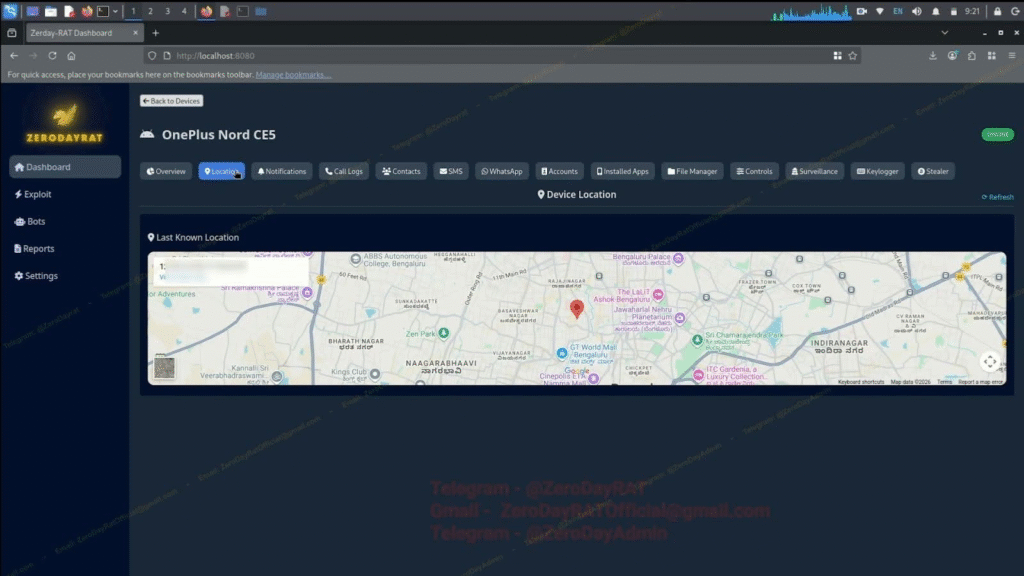
ZeroDayRat is classified as a zero-day threat, meaning it takes advantage of software flaws that developers don’t even know exist yet. Such vulnerabilities are highly valuable for hackers because they allow attacks to bypass conventional security measures before patches are released. Once a device is compromised, ZeroDayRat can collect personal data, track your location, and even control device functions remotely — all without your knowledge.
How ZeroDayRat Works: Inside the Spyware
ZeroDayRat is particularly alarming due to its silent attack mechanism. Here’s how it typically operates:
- Text-Based Exploit: Users may receive a seemingly harmless SMS or chat message containing malicious code.
- Zero-Click Activation: Some attacks require no interaction; the spyware can execute simply upon receiving the message.
- Full Device Control: Once installed, attackers can access your photos, messages, contacts, location, microphone, and camera.
- Remote Commands: Hackers can manipulate your device remotely, monitor your activity, and steal sensitive data.
This combination of features makes ZeroDayRat extremely dangerous — it doesn’t rely on user error, and it’s difficult to detect with standard antivirus software.
Who Is at Risk?
While everyone with a smartphone is potentially vulnerable, some groups are at higher risk:
- Business executives and employees storing corporate data on mobile devices.
- Journalists, activists, and public figures targeted for surveillance.
- Everyday users who delay software updates or download apps from unofficial sources.
Even premium smartphones aren’t immune if they are not regularly updated, making proactive security measures essential for all users.
How ZeroDayRat Can Compromise Your Smartphone
Unlike traditional malware that requires users to download an infected file or click a suspicious link, ZeroDayRat reportedly uses advanced text-based exploit techniques. In some cases, the attack may work through a specially crafted SMS or messaging payload that silently triggers a vulnerability in the device’s messaging system.
Once activated, the spyware can secretly install itself in the background and begin executing malicious commands. From there, attackers may gain access to:
- Personal photos and videos
- Banking and financial information
- Saved passwords and login credentials
- Contacts and private conversations
- Real-time location tracking
- Microphone and camera access
This effectively turns your smartphone into a remote surveillance device controlled by cybercriminals — often without any visible signs.
Why This Threat Is So Concerning
Smartphones today store almost every aspect of our digital lives — from work emails and business documents to social media accounts and payment apps. A spyware attack like ZeroDayRat doesn’t just compromise a device; it can lead to identity theft, financial fraud, corporate data breaches, and serious privacy violations.
Even more concerning is the possibility of “zero-click” attacks. These types of exploits require no action from the user at all — meaning you may not even need to open the message for the attack to trigger.
Who Is at Risk?
While everyone with a smartphone is potentially vulnerable, some groups are at higher risk:
- Business executives and employees storing corporate data on mobile devices.
- Journalists, activists, and public figures targeted for surveillance.
- Everyday users who delay software updates or download apps from unofficial sources.
Even premium smartphones aren’t immune if they are not regularly updated, making proactive security measures essential for all users.
How to Protect Yourself from ZeroDayRat
While zero-day threats are difficult to predict, there are strong preventive steps you can take to reduce your risk significantly:
Keep Your Device Updated
Install the latest iOS or Android security updates immediately. Updates often include patches for newly discovered vulnerabilities.
Avoid Suspicious Messages
Do not click unknown links or download attachments from unfamiliar numbers.
Enable Two-Factor Authentication (2FA)
Adding an extra verification layer makes it harder for attackers to access your accounts.
Use Built-In Security Features
Keep Google Play Protect and Apple’s built-in protections enabled at all times.
Install Trusted Security Apps
Reputable mobile security software can detect unusual behavior and block threats.
Limit App Permissions
Regularly review which apps have access to your microphone, camera, and location.
Who Should Be Most Alert?
High-profile individuals, business professionals, journalists, and public figures are often prime targets for advanced spyware attacks. However, everyday users are increasingly becoming victims as well. If your device contains sensitive data — and most do — you should treat this threat seriously.
FAQs
#ZeroDayRat #MobileSecurity #SpywareAlert #Carrerbook #Anslation #iPhoneHack #AndroidSecurity #CyberSecurityNews #DataPrivacy