
Technology is going through a massive shift. The phase of endless viral app gimmicks and flashy conceptual prototypes has settled down. Instead, we are seeing practical, deeply integrated innovation that rebuilds our daily work, health, power grids, and hardware systems.
Here is a straightforward look at the biggest technological shifts and practical breakthroughs defining our world right now.
1. From Basic Chatbots to Agentic AI
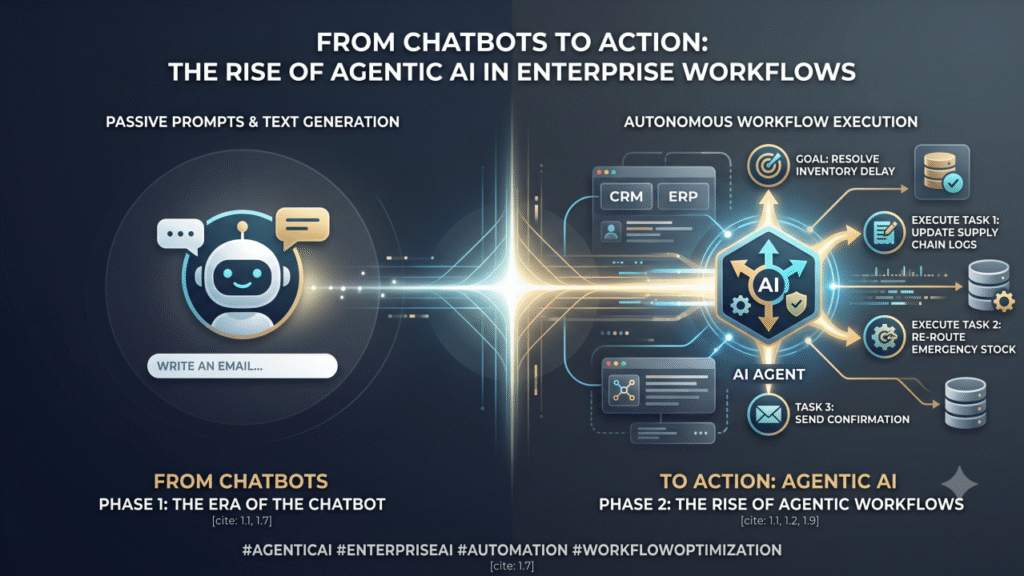
For a couple of years, using artificial intelligence meant typing a prompt into a text box and getting back a summary or a quick draft. AI has now evolved into agentic software—autonomous digital tools that carry out complex, multi-step projects without needing constant hand-holding.
User Expresses Goal ──► AI Agent Coordinates APIs & Data ──► Complete Workflow Executed
- Intent-driven tasks: Instead of opening five different apps, copying data between spreadsheets, and sending individual emails, you state your final goal. The agent manages your calendar, queries your databases, coordinates with connected services, and completes the task end-to-end.
- Self-maintaining software: In tech development, coders are moving away from writing every line of repetitive code. Instead, they guide AI agents that build, test, and repair software systems on their own.
- On-device privacy: Consumer phones and laptops now run compact models locally. Your personal assistant learns your daily habits directly on your hardware without sending your private data to distant cloud servers.
2. Physical Robotics & Embodied AI
AI is no longer trapped behind a glass screen. Robotics has advanced from rigid factory machines following strict pre-programmed paths to flexible, context-aware hardware that adapts to unpredictable physical spaces.
- Smarter logistics and warehouses: Distribution centers rely on coordinated fleets of autonomous units that navigate around obstacles, recalculate routes in real time, and adjust as inventory shifts.
- Adaptable commercial hardware: Modern robotic equipment uses advanced visual models to handle open-ended commands. A machine can understand natural instructions like “pick up the box dropped under the table” or “clear off the workbench gently” without pre-set coordinates.
3. Ambient Wearables Over Bulky Headsets

The era of heavy, isolating headsets is stepping aside for lightweight, subtle hardware. The goal is no longer escaping into a virtual world, but subtly enhancing real-life routines through ambient tech.
| Device Category | Primary Use Case | Key Shift |
| Smart Glasses | Real-time translation, hands-free voice notes, subtle navigation | Replaces bright phone screens with audio guidance and micro-displays |
| Biometric Smart Rings | Continuous sleep tracking, stress indicators, and vascular health metrics | Drops screens completely in favor of comfortable, non-intrusive tracking |
| Continuous Health Sensors | Glucose tracking and real-time metabolic insights | Shifts healthcare from reactive doctor visits to continuous daily prevention |
4. Energy Grid Breakthroughs & Battery Reality
The massive computing power required for modern cloud hardware and AI processing has created an intense demand for clean energy. This bottleneck has forced long-overdue breakthroughs in battery chemistry and grid tech.
- Solid-state battery progress: Next-generation solid-state lithium technology is moving out of testing labs and into specialized hardware and electric vehicles. These offer higher energy storage, faster charging, and lower fire risks compared to traditional liquid battery cells.
- Localized micro-grids: Industrial centers and cloud facilities are increasingly setting up dedicated on-site power—like solar-storage hybrids—to run cleanly without overloading public electrical grids.
- Power-efficient chips: Semiconductor manufacturers are prioritizing energy efficiency over pure raw power, designing chips that run heavy computing tasks while drawing far less electricity.
5. Practical Quantum Hybrid Systems
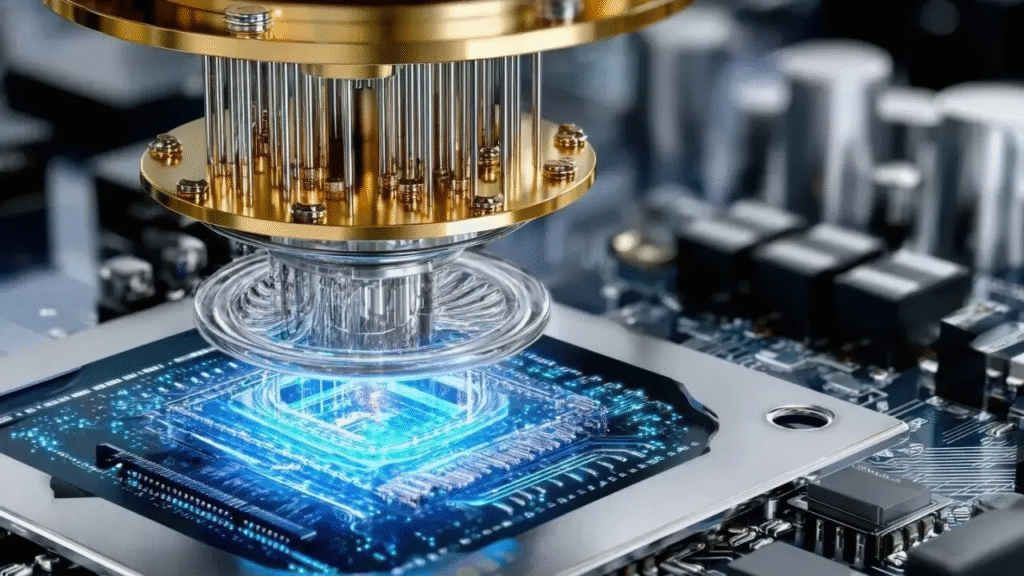
Quantum computing has shifted from theoretical physics labs into hybrid practical setups. While universal quantum supercomputers are still a work in progress, specialized quantum processors are working alongside traditional supercomputers to tackle specific, massive problems.
Classical Supercomputer ──► Passes Molecular Problem ──► Quantum Processor ──► Instant Simulation
- Faster medicine and materials science: Pharmaceutical researchers use hybrid quantum-classical systems to simulate complex molecular interactions at an atomic level, cutting months off early-stage research.
- Post-quantum cybersecurity: With processing power advancing rapidly, organizations are updating their security standards to post-quantum encryption to ensure historical data stays protected.
FAQs
1. What are the latest technology trends in 2026?
Some key technology trends include artificial intelligence, automation, smart devices, cloud computing, cybersecurity, connected technology, and new digital tools.
2. How is artificial intelligence changing technology in 2026?
AI is being used in areas such as search, productivity, customer support, content creation, data analysis, and personalized digital experiences.
3. What new technologies are becoming popular in 2026?
AI-powered tools, smart home technology, wearable devices, advanced connectivity, automation solutions, and new digital services are receiving growing attention.
4. How is technology making everyday life easier?
Technology can help with communication, online services, work, learning, entertainment, shopping, navigation, and home automation.
5. What technology trends should businesses watch in 2026?
Businesses may pay attention to AI, cloud services, automation, cybersecurity, data management, and digital customer experiences as these areas continue to develop.
Simple Fashion Tips and Trends for Everyday Style
Let’s be completely real for a second. If you look at most lifestyle blogs or…
Trending Entertainment Ideas for Your Free Time
Seriously, why does our “free time” sometimes feel like a second job? Think about how…

Easy Beauty Tips to Refresh Your Everyday Look in 2026
Look, let’s drop all the formal article formatting for Beauty a second and just talk…

Trending News and Important Updates Making Headlines in 2026
Look, I totally get what you are trying to do. You want writing that sounds…

What’s Trending in 2026: Latest News and Updates
Remember when keeping up with “latest tech trends” meant Trending reading about abstract concepts that…
Useful Technology Trends Making Everyday Life Easier
Let’s be honest for a second: a few years ago, buying “smart” technology often felt…