
Thank you for reading my latest article 7 Media Trends That Will Redefine Entertainment In 2026. Here at LinkedIn and at Forbes I regularly write about management and technology trends.
To read my future articles simply join my network by clicking ‘Follow’. Feel free to connect with me via Twitter, Facebook, Instagram, Podcast or YouTube or subscribe to my other LinkedIn newsletters: AI & Future Tech Trends | The Intelligence Revolution | The Future of Work
The future of technology is rarely hidden in research labs; it usually appears first on our screens. Entertainment has always acted as a preview of what is coming next in business and society, from the first experiments with film and sound to the rise of AI-generated video. Today, the industry is once again revealing the next wave of change as studios, creators, and platforms explore powerful new tools that reshape how stories are made and how audiences engage with them. The opportunities are huge, and the questions around ownership, creativity, and the role of humans are growing just as quickly.
So here are the trends that I believe will define the future of the media and entertainment industry in 2026 and beyond.
Generative Video Hits Prime Time
In 2026, we will see generative video move from supporting act to leading role. Experiments using it to create filler scenes and environmental effects are breaking into primetime, as seen in Netflix’s El Eternauta. Executives believe it will enable shows to become “better, not just cheaper”, but the technology remains controversial. Audiences, creators, and actors have all raised concerns over its impact on human jobs, creativity, IP and authorship rights. Regardless, the implications of tools like Sora and Runway, which let anyone create scenes with a few key presses that once required large budgets and teams, are huge. Over the next year, we’ll start to get a better picture of what this means for the future of film, TV and every visual entertainment medium.
. Synthetic Celebrities
Virtual actors, AI idols and synthetic celebrities are set to light up the big and small screens in the coming year. Today, computer-generated pop stars and influencers like Lil Miquela and Noonoouri are already a regular fixture of social media feeds. Next year and beyond, they will become infused with AI personalities, taking on lives of their own and carving out careers in acting and modelling. Till Norwood, created by talent studio Xicoia, has already prompted protests by actors, concerned that AI could be coming for their jobs. For studios, however, they offer access to a new pool of affordable, flexible talent. The real litmus test will take place in 2026, when we start to find out what audiences and fans think.
. Immersive Sports Broadcasting
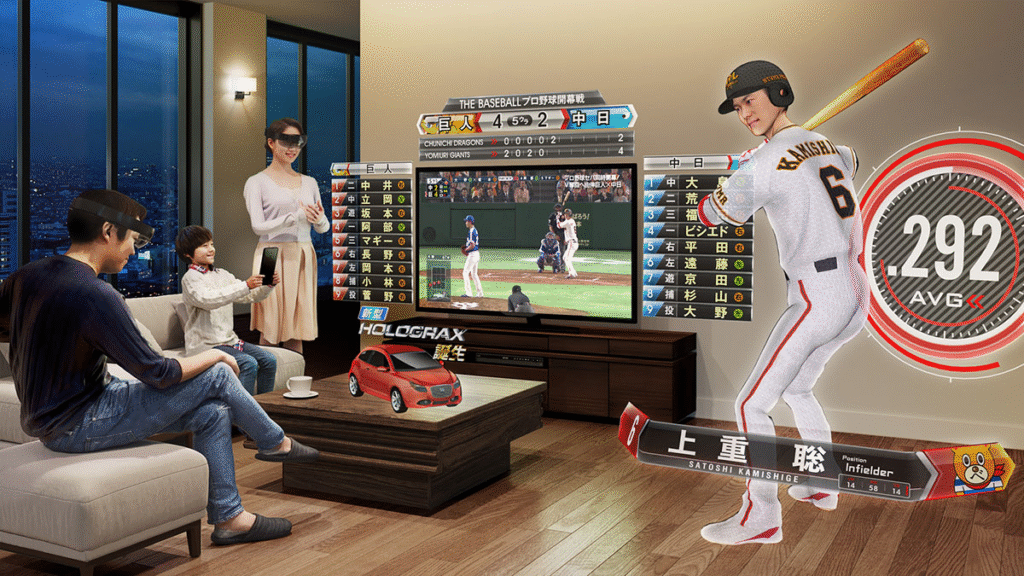
Watching sports has never been an entirely passive activity, but in 2026, technology and media will come together to create experiences that are more immersive, interactive and participatory than ever before. Virtual reality (VR), as seen in partnerships like those between the NBA and Meta, lets audiences feel like they’re sitting court-side with fellow fans, and Apple offers “spatial computing” to enhance the experience of soccer audiences. Thanks to camera arrays, lidar and edge computing, the full 3D environment can be captured and manipulated, allowing audiences to watch, replay and review from any angle, including first-person views from the eyes of players themselves. This will unlock new monetization models for broadcasters and richer, more engaging experiences for fans.
Cloud gaming rises with connectivity
While the global population is becoming increasingly internet connected – there are over 6 billion internet users as of 2026 – many are still accessing the internet though with just a phone, no desktop, and certainly no gaming console.
With rising internet speeds, wider mobile adoption, and better cloud computing technology, cloud gaming is benefiting from greater technology trends.
Gaming companies are particularly keen on this as the lower barrier to entry means a larger gaming market.
Visuals turn concerts into content
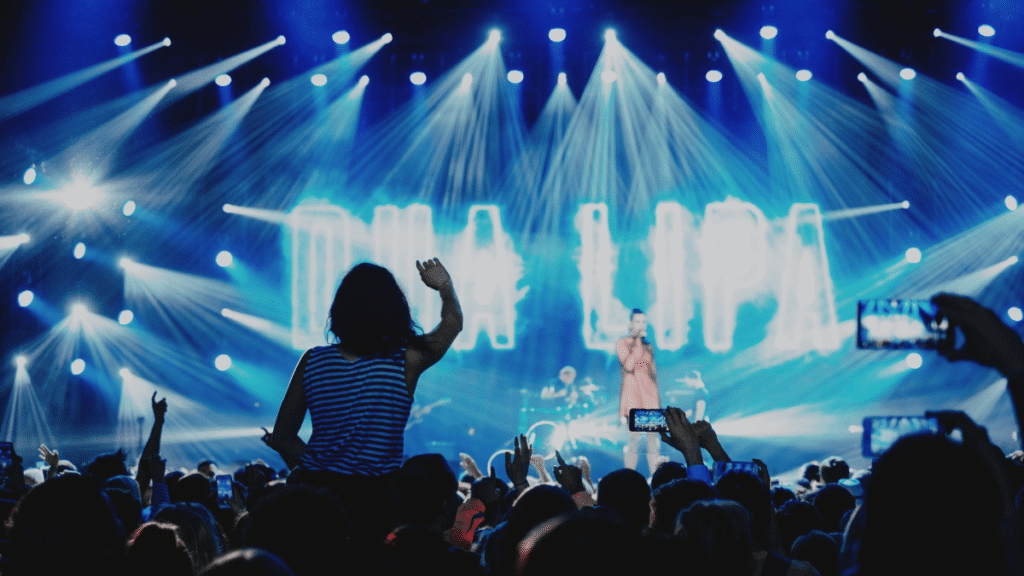
Orchestras have long recognized the appeal of playing music from famous movies and Disney films to attract a broader and younger audience, boosting their revenue.
Nowadays, many musicians are taking a similar approach but with a twist; they’re adding unique visual elements to their concerts to make their events stand out. This not only differentiates their performances but also encourages audience members to take photos and share them on social media, aligning with live entertainment trends that prioritize visual spectacle and virality potential.
Frictionless entertainment goes mainstream.
After years of fragmentation, simplicity is emerging as one of the industry’s most valuable currencies. A growing feature of modern carriage agreements is the full integration of direct-to-consumer (DTC) services directly into the multichannel video programming distributor (MVPD) interface. This evolution signals a shift toward unified aggregation that includes legacy linear channels, streaming apps and premium services delivered through a single, coherent entry point.
Consumers are reinforcing this push. According to the EY Decoding the Digital Home 2025 Study, households don’t necessarily want more content, they seek a better mix of live TV, channels and dedicated apps; greater customization; more guidance on underused services and overall simplification.¹ Fragmentation remains a primary pain point, especially for sports fans navigating rising costs and splintered rights.
In 2026, the next-generation bundle will continue to take shape. Distributors will pursue deeper integrations of DTC apps to provide subscribers with additional convenience and value, while media companies will rationalize sprawling network portfolios to improve economics and reduce consumer friction. Aggregation is returning, but the questions yet to be answered are: Who will own the customer experience and will these models create sustainable value instead of merely extending legacy economics?
Look for industry players to redesign access around utility, transparency and ease. Frictionless experiences across streaming, live events, cruises, theme parks, travel, gaming and sports will increasingly separate leaders from the rest of the field.
Tech giants crash the Hollywood party in media consolidation 2.0.
The next wave of consolidation will differ from the last. Legacy operators are disaggregating declining linear networks from faster-growing streaming, studio and digital-first businesses via SpinCos and RemainCos. These structural shifts allow companies to pursue distinct capital strategies, investment profiles and M&A opportunities tailored to vastly different growth outlooks.
Meanwhile, following years of speculation about their strategic intentions in media, the largest digital platforms are now fully engaged in the Hollywood consolidation conversations. They’re competing to secure scarce intellectual property (IP), rationalize a fragmented streaming environment and achieve scale advantages that traditional media players can’t match. Their participation may serve as a catalyst for broader realignment across content libraries, sports rights and distribution systems.
However, not every company will find a partner. As always, M&A cycles create winners, while leaving others searching for strategic alternatives. Alliances, commercial partnerships and distribution tie-ups, which have been discussed in the past but are rarely executed, may finally materialize in 2026 as frustrated bidders explore new paths to relevance.
For all M&E players, the hurdles remain high. Regulatory uncertainty, timing risks, integration complexity and the real possibility of strategic isolation could sour well-laid plans. But many M&E companies will forge ahead undeterred, laser-focused on cost rationalization, content consolidation and subscriber scale in DTC services. Leaders should prepare for a year defined by structural moves rather than incremental adjustments.
Hybrid monetization models: SVOD, AVOD, FAST, and commerce integration
The subscription-only model that defined the first era of streaming is no longer sufficient. By 2026, platforms are adopting hybrid monetization strategies that combine subscription video on demand (SVOD), ad-supported video on demand (AVOD), free ad-supported streaming TV (FAST), live programming, and embedded commerce opportunities.
This shift aligns closely with broader media industry trends, where advertising and commerce are reclaiming center stage after years of subscription-led growth. PwC’s forecasts advertising as the fastest-growing revenue segment in M&E, and by 2029, it is projected to have US$300 billion more in revenues than consumer spending.
FAQs
Top Entertainment Trends and Latest Releases to Explore in 2026
Thank you for reading my latest article 7 Media Trends That Will Redefine Entertainment In…
What’s Trending in Fashion? Latest Styles and Outfit Ideas?
Fashion trends come and go, but trying new looks to help you discover your personal…

Delicious Food Ideas to Make Your Everyday Meals More Exciting
Let’s be honest for a second—how many times have you stood in front of an…
Natural Beauty Ideas and Easy Tips for Your Everyday Routine
Looking your best every day does not require expensive beauty products, complicated routines, or hours…
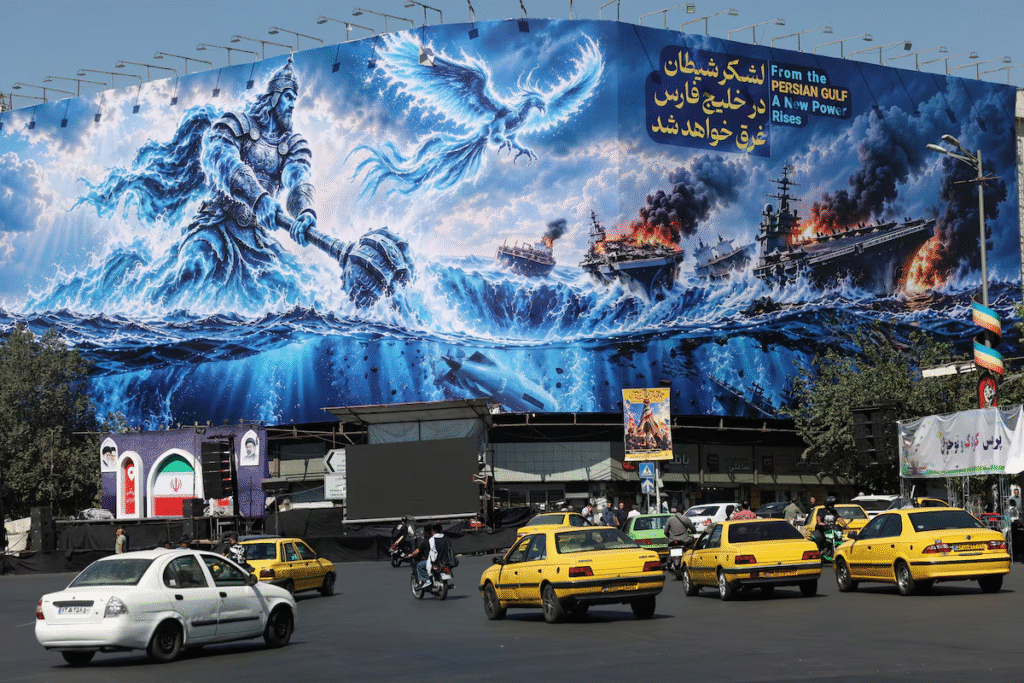
Latest Trending News: Top Stories Everyone Is Talking About
ndia and Pakistan have summoned each other’s top diplomats in Delhi and Islamabad after two…
Latest Travel Trends and Tips to Make Your Trip Better in 2026
Travel in 2026 moves at a new pace. Decisions are faster, booking windows are tighter,…